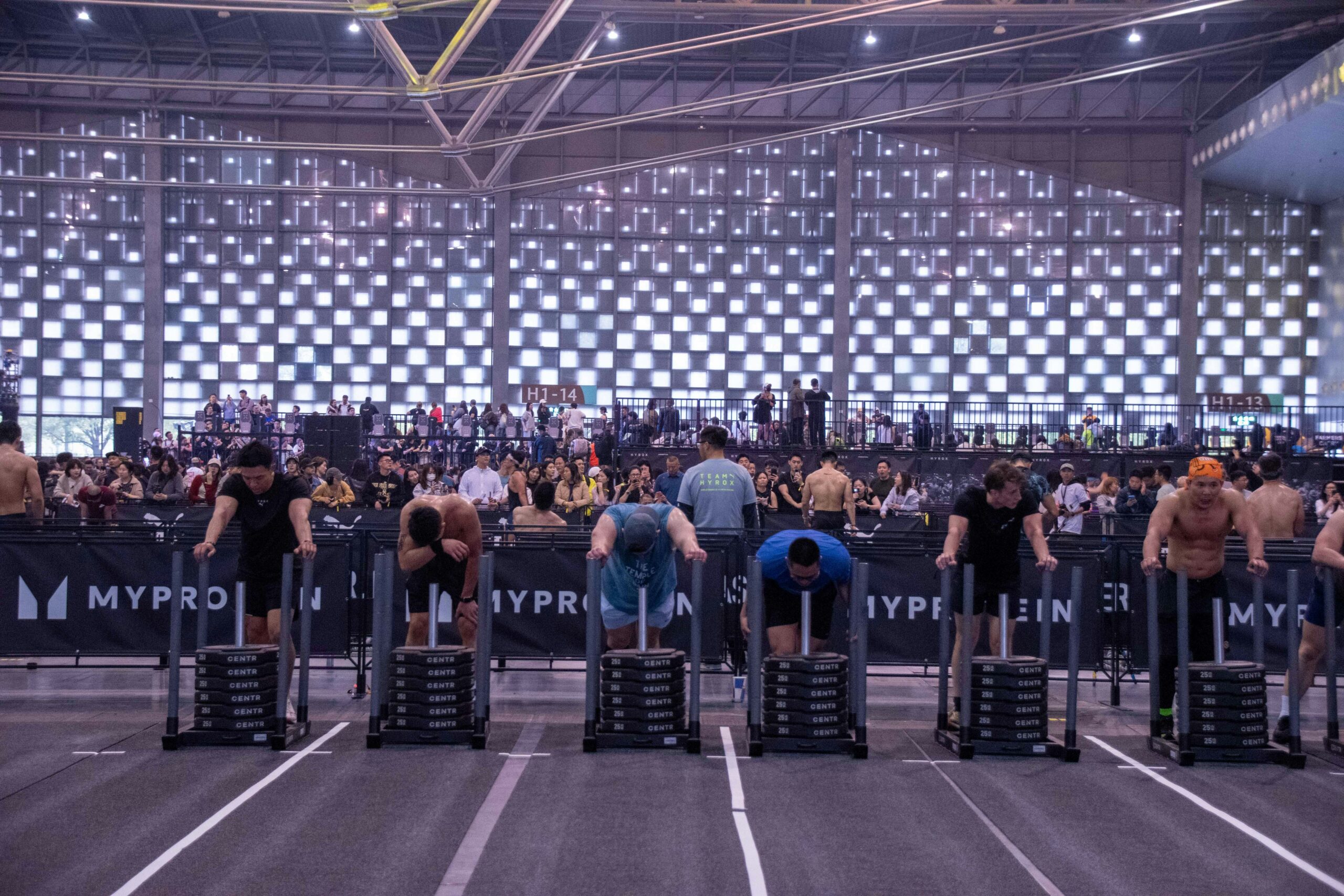

What to Eat Before, During and After a Hyrox Race
Written by TWL Editor in Hyrox,Training,RECOVERY,Nutrition,
 6 minutes read
 You can train for months, buy the right shoes and nail your pacing, but if you turn up under-fuelled or dehydrated, your Hyrox race will fall apart no matter how fit you are. Good Hyrox nutrition is not complicated, but it does need a plan — and it starts well before the start line. This guide breaks it into three simple phases: what to eat before, during and after your race, so you fuel every run, get through every station and recover fast. One rule sits above all others: never try anything new on race day. Everything below should be rehearsed in training first.
Before the race: fuel the tank
Your race-day energy comes largely from the carbohydrates stored in your muscles, so the job in the final 24 to 48 hours is to top those stores up. Keep your carbohydrate intake high, stay well hydrated, and stick to familiar, easily digested foods — race week is not the time to experiment with a new cuisine or a big high-fibre salad. Have a normal, carb-rich dinner the night before, go easy on heavy fat and fibre, and drink to the point where your urine is pale.
Race morning: eat a carbohydrate-based breakfast two to three hours before your start. Oats with honey and banana, toast with jam, or a bagel are all reliable choices. Keep fat, fibre and protein moderate so digestion is easy on a nervous stomach, and start sipping water with electrolytes through the morning rather than downing it all at once.
The final hour: around 30 to 60 minutes before you start, top up with something small and fast-acting — a banana, a few dates, or an energy gel — and keep sipping fluid. If caffeine is part of your routine, a coffee or pre-workout 30 to 60 minutes out can sharpen focus, but only at a dose you have tested in training.
During the race: little and often
Most single competitors finish in roughly 60 to 90 minutes, and for efforts under about an hour you can usually race on water alone, taking small sips at the stations rather than gulping. Being well fuelled beforehand matters far more than what you take mid-race.
If your race is likely to run longer than an hour — or you are doing doubles, a relay leg plus support, or you simply fade late — a single carbohydrate energy gel partway through can top up your blood sugar and stave off the wall. Take it with a mouthful of water, and time it before you feel empty, not after. In hot conditions, prioritise fluid and electrolytes to replace what you lose through sweat. As always, only use gels and drinks you have practised with, because the middle of a race is the worst time to discover something upsets your stomach.
After the race: recover smart
Crossing the line is not the end of your nutrition plan — it is the start of recovery. In the first hour or two after finishing, your body is primed to refuel and repair, so aim to take in a mix of carbohydrates to restock your energy stores and protein to rebuild muscle.
A convenient option is a protein shake with a banana or a piece of fruit, followed by a proper balanced meal once your stomach settles — something with quality protein, plenty of carbs and some vegetables. Just as important is rehydration: keep drinking fluids with electrolytes over the following hours to replace everything you sweated out, especially after a hot, hard race. A little care in the hours afterwards means you bounce back quicker and feel human again the next day.
Supplements worth considering
You do not need a cupboard full of powders, but a few well-chosen products earn their place. Electrolytes help you hold hydration before and after a sweaty race. A tested caffeine source can lift focus and perceived effort. Carbohydrate gels are handy insurance for longer efforts. And a good protein powder makes hitting your recovery target easy.
Practise your race-day nutrition
The golden rule bears repeating: nothing new on race day. Use your longer or harder training sessions as dress rehearsals for your fuelling — the same breakfast, the same pre-workout timing, the same gels and electrolytes. That way you learn what sits well, how much you actually need, and how your stomach behaves under a high heart rate, so on race day your nutrition is one less thing to think about.
Hyrox nutrition FAQ
What should I eat before a Hyrox race? A carbohydrate-based breakfast two to three hours out — oats, toast or a bagel — kept low in fat and fibre, plus a small carb top-up and electrolytes in the final hour.
Should I use gels during Hyrox? For most single races under an hour, water is enough. For longer efforts, doubles or if you fade late, one tested carbohydrate gel partway through can help.
What should I eat after a Hyrox race? A mix of carbs and protein within a couple of hours — a protein shake with fruit, then a balanced meal — along with plenty of fluid and electrolytes to rehydrate.
How much water should I drink for Hyrox? Hydrate steadily in the day before and on the morning until your urine runs pale, sip during the race, and keep replacing fluids and electrolytes afterwards rather than drinking a huge amount at once.
The bottom line
Nail your Hyrox nutrition and you give your training the best chance to show up on race day. Fill the tank with carbs and fluid in the days and hours before, fuel lightly during if your race is long, and refuel with carbs, protein and electrolytes afterwards. Practise all of it in training, keep it simple, and let good fuelling carry you strong through every run and station to the finish.