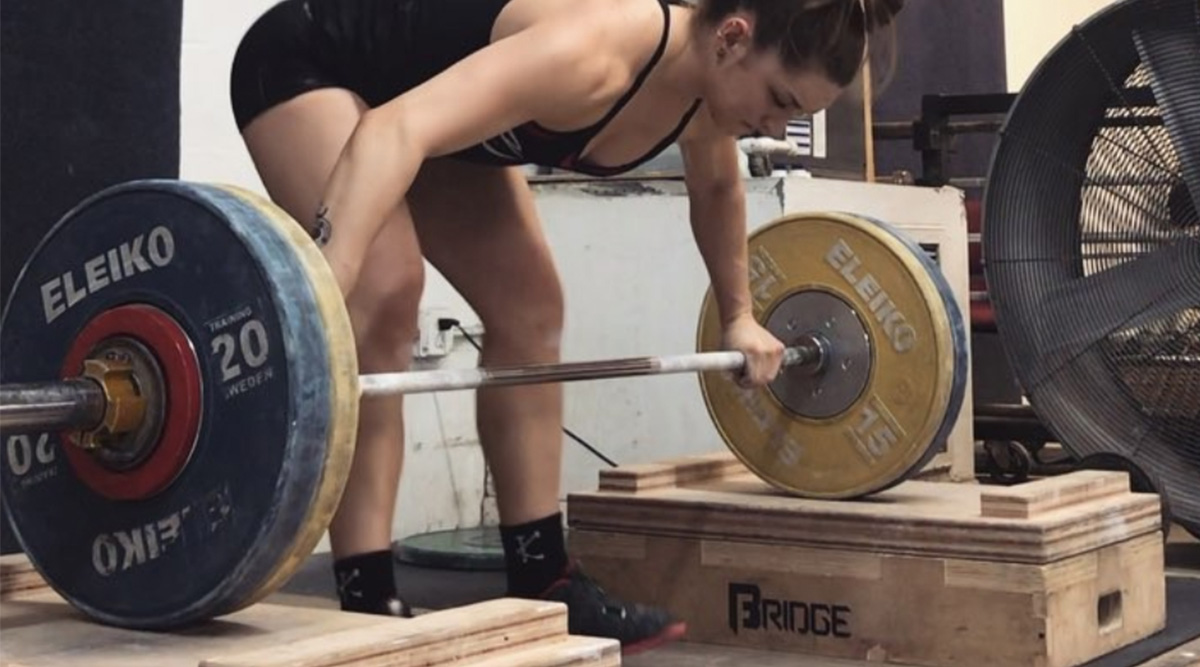
The Benefits of Lifting Off Blocks

Olympic weightlifters have one ultimate goal: to lift more weight in the snatch and clean and jerk. This is not achievable through one exercise alone — lifters have to train in phases and use a wide variety of techniques to improve their form, strength and power. Because these lifts (particularly the snatch) are so technical, it’s necessary to pinpoint weak spots and focus on them specifically. To do this, many athletes lift off blocks. Lifting off blocks is beneficial for a few reasons.

Why Blocks?

Blocks are better for increasing the rate of force development. When you use blocks, you are performing the lift from a full stop and in an unfamiliar place. This means you have no prior momentum from lifting from the floor, and you are forced to achieve the lift from an unfamiliar position; but because every single moment of the pull matters, every position really should be familiar. Blocks help greatly with this.

Also, when you lift from blocks, it allows you to feel the positions better without the fatigue of the weight in your hands. This helps you as an athlete to emphasize the second and/or third pull. It gives your back and legs a break so that you can focus on other challenges, like accelerating after you pass the knees.

Some athletes are able to lift more from the blocks. For most, it’s because they can place themselves in a more balanced position while the weight rests on the blocks. For others, this might simply be a sign of poor starting form. Because the first pull is so taxing, removing it completely (by lifting off blocks) can often mean lifting more weight.

When using blocks, remember that your goal is to eventually transfer this new strength into your full lifts. When you use them without learning to convert the strength to the floor properly, it might turn out to be counterproductive.

When Should You Use Blocks?

Blocks can be utilized for a wide range of rep schemes and starting positions. You can use them to focus on different weak points or mix them with pulls to emphasize the top of the lift.

Block work can be done with relatively heavy weights, if not heavier than the athlete’s maximum. This depends on the skill that the athlete has chosen to develop and the position they lift from. If an athlete has trouble lifting around the knee, you can set up blocks so that the bar begins right below the knee. While some athletes try to “cheat” the position when executing a full lift (even unintentionally), the blocks will force you to confront it.

It’s also particularly beneficial when you need to train around injuries. While it is always advised to rest and not strain yourself further when injured, pulling from blocks is a solid alternative. If an athlete is experiencing back or knee pain, using blocks can help them circumvent this. It’s an interesting addition to any injury program and helps prevent strength loss.

However, you should take caution when training with blocks. A missed lift can be particularly dangerous. Make sure that pulling blocks are clear of change plates that the bar can land on. While missing lifts is part of training, you should still practice missing lifts with lighter weights so that when it happens by accident, your body will know how to move out of the way.

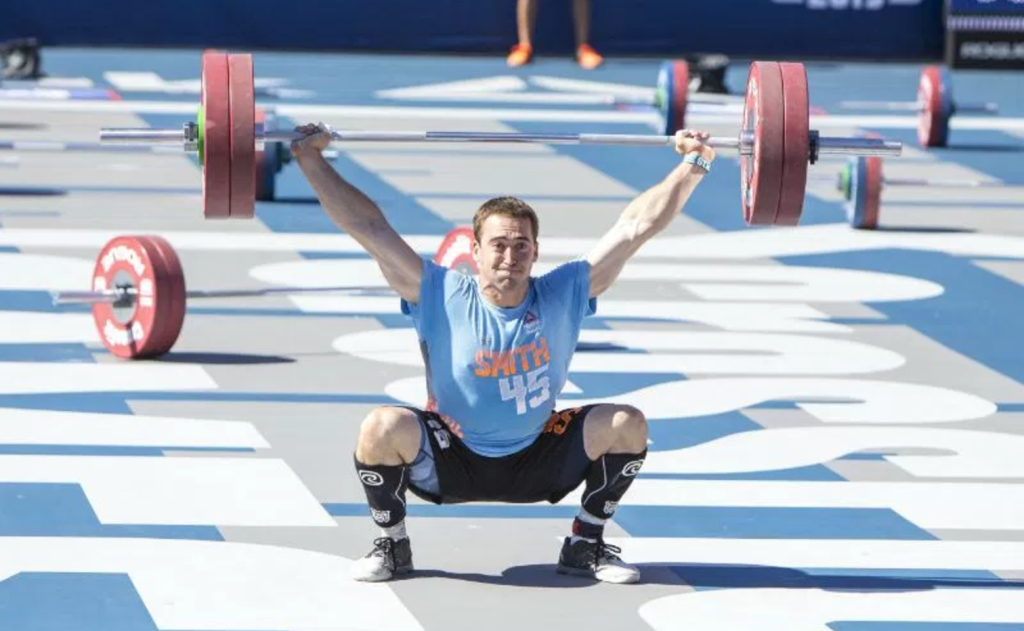
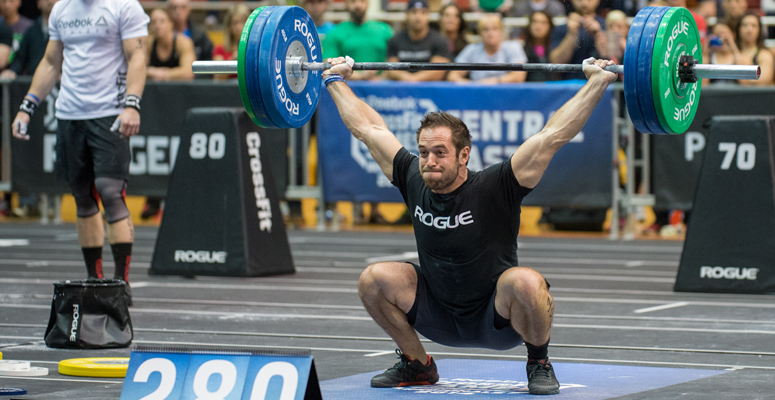
Lifting off blocks has numerous benefits: you can develop your speed, practice the pull, work on getting under the bar more quickly and add variety to workouts. And if you ever doubt that big things can happen from the blocks, never forget this moment:

Main image: Mattie Rogers/Instagram
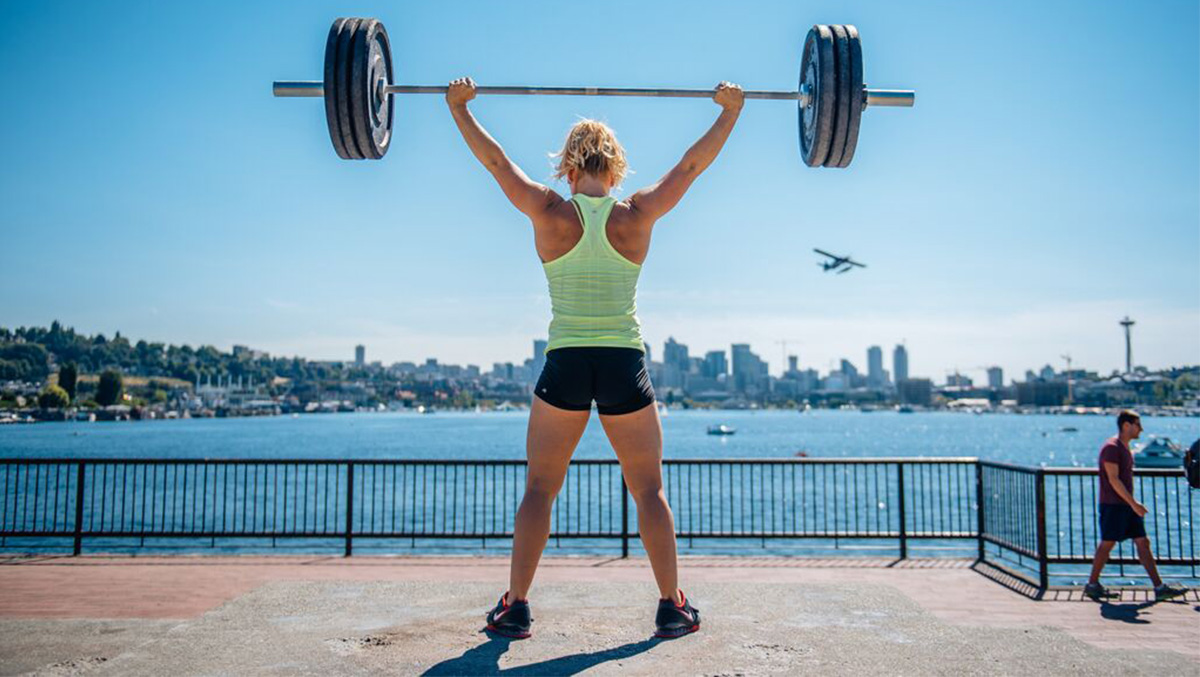
Snatch Versus Clean and Jerk Numbers: How is Your Ratio?

Maintaining the correct snatch to clean and jerk ratio is a great way to guide your training. If the ratio is too high or too low, consider finding out what could be missing from your training.

According to Bud Charniga (one of America’s only scholarly researchers on weightlifting) and Bob Takano (a USA-weightlifting national coach), your snatch should be between 78% and 84% of your clean and jerk. Do the math… where do you fall?

If you snatch 80kg and clean 100, you are right on the mark! Training is good, your strength and height ratio is good and we can continue on as planned. For the rest of you who see that the numbers are too close together or too far apart, there are things to consider that can help determine why this is so and how to correct it.

Before moving on, bring your concerns up to your coach. They may already be fully aware of your issues and are dealing with it. Alternatively, they may have no idea as to how to go about correcting a discrepancy. Either way, it is a process that will take some time to adjust to.

Here are some considerations if your snatch is less than 78% of your clean.

You are New

It’s totally normal in a CrossFit setting to have skewed numbers. Expect the snatch to be the most complex movement you’ve ever done! When you are new to lifting, try avoiding heavy clean and jerks until you have mastered the snatch. Bring the ratio down in training to what it “should be” and only increase intensity when you have mastered the appropriate snatch weight.

You Have a High Bodyweight

If your bodyweight is heavier than average compared to your height, the numbers will look skewed.

You Need Technical Work

If you are lacking technique, there is no way to improve your numbers. Poor technique only gets you so far. Start focusing in on your snatch.

It is Too Intense

You don’t need to be slamming massive weights every session. This is too common in boxes and is really the fault of the coach. A good program will have you spend more time at 75%-80% of your max, working on technique, speed and quality over strength and force. Strength only plays a small role in dynamic sports like lifting. Lighten the load and you’ll get the improvements in numbers automatically.

Here are some considerations if your snatch is more than 82%-84% of your clean and jerk.

You Have a Low Bodyweight

This is again not really something you can change. Those really thin, tall, lighter lifters will have a higher than average snatch to clean and jerk ratio.

Your Training is Not Intense Enough

You might be lacking strength and power because the training load is not there. This holds back your cleans, which require more strength compared to snatches.

You Aren’t Squatting Enough

This ties in with the previous point. If your back squat is less than about 130% of your clean, you simply don’t have the strength to do big cleans. This is when you see strength start to hold back your lifts. Focus on front and back squats, and possibly good mornings/straight leg deadlifts.

You Need Technical Work

In this case, your clean and/or jerk needs some technical work. Always losing the bar in front? Bad timing when catching your clean? These are small technical details that can improve your lift tremendously and fix up the ratios. Drills like hang cleans, box cleans, power box cleans and others can help improve timing while push jerks, box jerks and others can help with the very technical jerk.

If you think your snatch and clean and jerk numbers aren’t correct, speak to your coach. Clean up your technique, and most of all, be patient, be open to constructive criticism and never let your ego drive training.

Main image: Morghan King/Facebook

The Benefits of Wrist Wraps, and How They Alleviate Pain

One of the most common injuries in CrossFit happens with the wrists. If you look around at any box, you’ll find people of different fitness levels performing exercises that require strength and stability in this area. The amount of stress that the wrist can tolerate is rather unbelievable; but like any body part, they’re not immune to injury. Any CrossFitter would be wise to understand how to alleviate wrist pain and furthermore, how to prevent it from worsening — namely through the use of wrist wraps.

As athletes, it is important for us to be able to do exercises properly with minimum risk of injury. We need to have healthy, strong wrists for two huge reasons:

  1. Many lifts require the backward extension of the wrist, which puts a lot of strain on it.
  2. Bodyweight exercises like ring dips, pull-ups and push-ups put extra pressure on the wrists since they have to support the weight of your body.

It’s important to keep working to be physically fit and be our best possible selves. To stay in the game longer, you need to protect yourself from injury and pain. One good way to do this is to employ the use of wrist wraps. While they might not completely prevent injury, wrist wraps provide extra support to the wrists. This, along with foundational training and basic conditioning, can help avoid further risk of injury.

Types of Wrist Wraps

There are two main types of wrist wraps: cloth and elastic. Tape wraps also exist, but they are not meant to be replacements for cloth or elastic. These are not reusable, offer minimal support and are not adjustable, but they’re better than no protection at all.

Cloth Wraps

Cloth wraps are the most common type of wrist wraps, and they provide a number of advantages.

  • They offer sufficient support for high rep workouts and are adjustable on the fly. You just need to twist to tighten it and twist the opposite direction to loosen. The tighter it is wrapped, the more support it provides — although tighter wraps could impede your mobility by reducing your range of motion.
  • Cloth wraps will not loosen as easily during a workout. Especially when wrapped right.
  • Cloth wraps are washable, compared to other types.

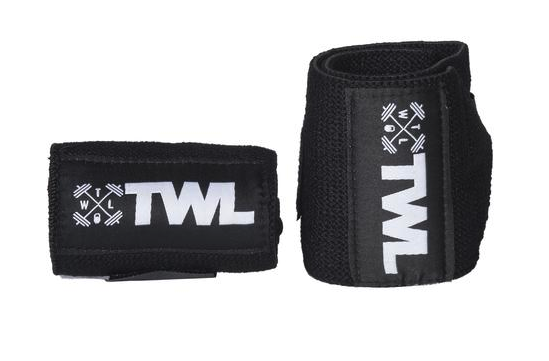
The WOD Life has a wide selection of wrist wraps available. For those looking for a lightweight but reliable option, you can check out the TWL Wraps that come in a variety of colors.

wrist wraps

Elastic Wraps

While cloth wraps are great for bodyweight exercises and the like, those who like to do some heavy lifting might want to consider elastic wraps. Here are some advantages.

  • These wraps are stretchy and are secured with hook-and-loop tapes.
  • Elastic wraps are sturdier and more reliable for low rep, heavier lifts. Most elastic wrist wraps also come with thumb loops.
  • You can adjust these wraps to your desired tightness. The elasticity provides a bit more room for movement and is extra reliable.

The WOD Life offers the WOD Wrist Wrap 2.0, a strong wrap with a soft material that can help longer sessions feel more comfortable. The thumb loop also gives you more support and peace of mind.

wraps

If you want to take an extra step as a strongman or powerlifter, the heavy duty WOD Wrist Wrap offers the highest quality support for the toughest workouts when you need it to be wrapped extra firm around your wrists.

Whatever your needs are, anyone can benefit from wrist wraps to stay in the game for longer.

The 2017 CrossFit Invitational is Coming to Australia

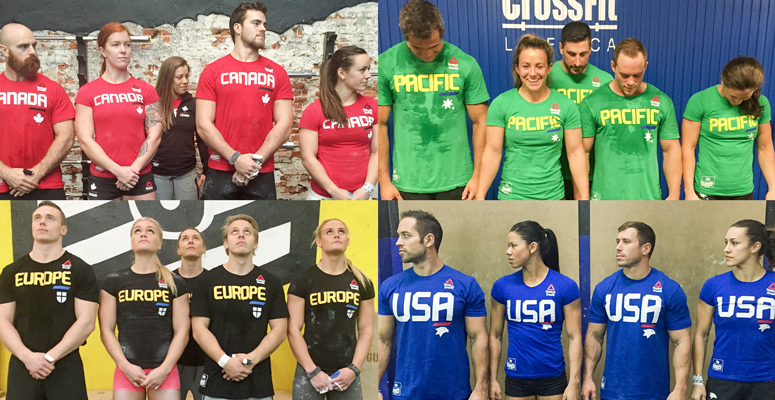
They describe it as CrossFit’s “all-star game”; and for the last several years, it’s brought the fittest men and women from around the globe together in teams for a little friendly competition. This year, the Reebok CrossFit Invitational will take place at the Margaret Court Arena in Melbourne, Victoria, Australia, and we couldn’t be more anxious for November 5th to get here. Having the event in Australia this year is quite fitting, considering how well they did at the Games.

The teams for the USA, Canada, Europe, and Pacific have yet to be announced, in addition to this year’s events (although you can probably guess who you might see); but if previous years are any indication, we’re undoubtedly in for a treat. Last year’s Invitational included accomplishing a max snatch and clean and jerk, a handstand walk relay and the infamous 500-pound Pig. With CrossFit’s knack for creativity, we don’t expect this year to disappoint. And as these athletes repeatedly raise the bar year after year, plan on competition being tight!

Similar to previous years, there will be an Affiliate Competition prior to the big show, where fans will have the opportunity to compete. Staying true to the CrossFit culture and community, the Invitational is about bringing people together with a shared love of fitness and fun competition, and being something everyone can participate in.

Tickets will be available online, by phone or at the box office; and registration is open for anyone who is interested in volunteering. For anyone who can’t be there in person, you’ll be able to watch it live at Games.CrossFit.com, as well as on their Instagram and Facebook pages. November will be here before you know it; so stay tuned for updates and announcements.

Main image: fikowski/Instagram

Shaken Up: Day 2 Recap

One thing is for certain, The CrossFit Games are not in California anymore. The move to the Midwest brought a whole new list of opportunities, but also some new challenges, some of which people may not have expected. Amongst the most challenging is probably Mother Nature as Day 2 started in the cool, crispy mid 50’s with rain layering the O-Course, increasing difficulty to the elements as athletes fought for qualifying spots.

After the Teams and Individual athletes cleared the course completing Event 4, they headed into the Coliseum at the Alliant Energy Center for Teams to test their 1RM Clean and Jerk and the Individual Men and Women to test their 1RM Snatch.

photo: CrossFit

For the Teams, each male and female trio lifted their weight individually with the totals being combined once each 1RM was established. Each trio counted for one event, making it a total of two events for the day. Notable trios were the men of CrossFit 417 of Missouri with a total combined weight of 1054lbs giving them an Event 5 win. And for the ladies, it was the trio from Salt Lake City CrossFit with a total weight lifted of 698lbs.

When this event concluded, the next event was announced and appropriately named “Rowing Worm.” Each team had six rowers on the floor which the men rowed 40 calories and the ladies rowed 30 calories each, simultaneously. They would then move onto the first worm of the competition, a new addition, weighing in at 555lbs as opposed to the traditional 465lb worm, which they were tasked to complete 30 squats as a team. This event was 3 rounds for time. Wasatch CrossFit took the event win which catapulted them to the top of the leaderboard heading into Day 3. However, CrossFit Mayhem made some moves putting them hot on their tail with only 24 points separating the teams. CrossFit Milford, CrossFit Invictus, and 12 Labours CrossFit close out the top 5.

The 1RM Snatch event is where things got interesting. With many heavy lifters in both the male and female fields waiting for their moment to shine, it was expected to see a shakeup in the leaderboard. All athletes had two rounds of 20 seconds to establish their 1RM Snatch with the Top 10 earning two additional attempts. It set the stage for big numbers, PRs, and one great event to watch.

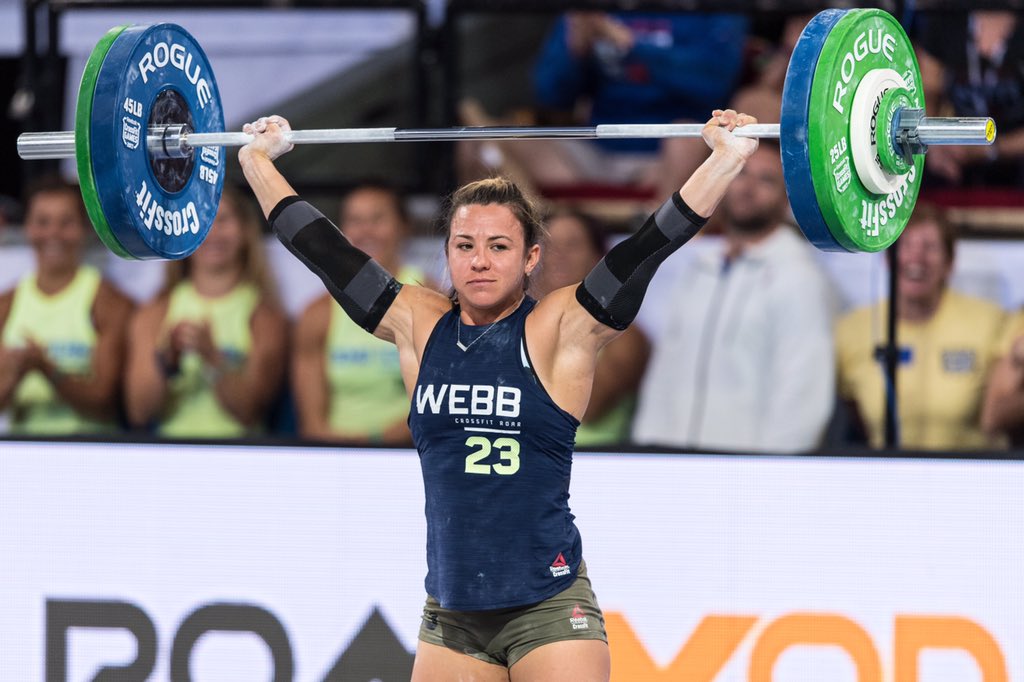
Garrett Fisher of CrossFit Invictus showed the men how it’s done with a huge 305lb lift, earning himself an event win. For the ladies, Alessandra Pichelli was crowed the winner at 207lbs, but after it was discovered her bar was unevenly loaded with only 197lbs on her barbell (alas, still an impressive save), Kara Webb with a 203lb lift was named the winner. Her barbell was just one pound heavier than fellow Australian and points leader going into Event 5, Tia-Clair Toomey. Webb went onto claim the first back to back event wins for this year’s Games in Event 6, Triple G Chipper.

photo: CrossFit

After three events were in the books, Dave Castro dropped the bomb that the fourth and final event of the day would be bringing back another odd object and non-traditional CrossFit element from 2012, The Banger. Going into the event, Toomey and Webb were leading the field, but that all changed after the Assault Banger event. Toomey fell to second place and Webb to fourth. It’s Sara Sigmundsdottir that will lead the pack for the first time this weekend with 524 points heading into Day 3. However, as we’ve seen over the past two days, it’s still any lady’s game with only 20 points separating the Top 5 Women.

For the men, even after logging his worst finish out of seven events (20th) to end Day 2, reigning champ Mat Fraser still sits comfortably at the top of the Men’s Leaderboard. However, Ricky Garard, the 23 year old from Australia, has stealthily made moves to claim the second place spot, just 68 points behind Fraser. The top five is rounded out by Brent Fikowski in 3rd, Noah Ohlsen in 4th, and Jonne Koski falling to 5th.

photo: CrossFit

Day 3 will begin with the teams at 8am CST/11pm AEST, followed by the Individuals at 9am CST/12am AEST. Ladies and gentlemen, we have an exciting competition on our hands and you aren’t going to want to miss it!

For full schedule and events, be sure to check out our viewing guide.

Second Regionals Event Announced

Event 2

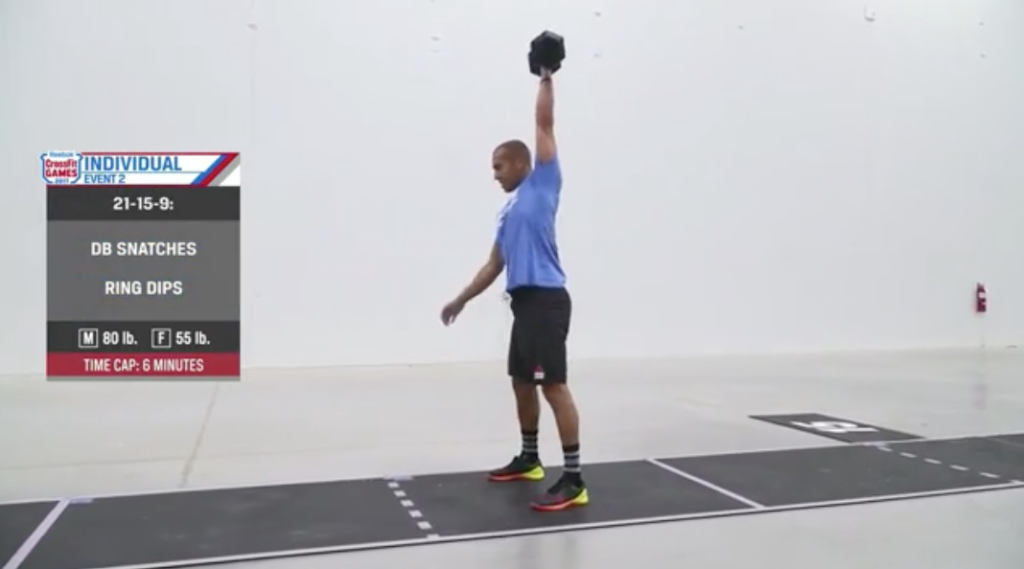
The second event of the 2017 CrossFit Regionals has been announced by director of the CrossFit Games Dave Castro.

Athletes are going to have to sprint through the couplet of Dumbbell Snatches and Ring Dips. With a workout of 21-15-9 Dumbbell Snatches and Ring Dips. have been busy preparing with a

The dumbbell weight is 80lb for the men and 55lb for the women, with the women’s weight being 70% of the Men’s.

April Hering Dumbbell Snatch

After Event one being announced yesterday, individual athletes are starting to get their repetitions in to be well and truly prepared for the Regionals stage!

Digging To The Root: How To Uncover What’s Holding You Back

Let’s be honest, we all have those movements we avoid like the plague because they are not our best. We stick to the comfort of the movements and skills that we are good at because, well, they feel good. However, there is a reason why CrossFit brings influence from sports like gymnastics and weightlifting; to make us all more well rounded athletes.

There is a good chance you know what you need to work on, but that’s the easy part. Not to discount this, because knowing is half the battle, but the most important discover to make is figuring out what the root of the problem actually is. Let’s take the clean for example. Maybe you have a difficult time increasing weight because you aren’t getting under the bar.

unspecified-1

This element of the lift is extremely important and it could be that the issue isn’t in the ability to drop squat, but a mobility issue in the shoulders and traps hindering your front rack position. Or maybe your front rack position is solid and the issue lies in the neuromuscular pattern you’ve developed from pulling as hard as you can through the power clean, as opposed to pulling yourself under the bar for the full squat clean.

So, how do you find the root cause of your limitation? Even the most experienced athletes probably need support in finding what’s holding them back. This is a great time to grab a camera and press record. Ask someone who is familiar with your training, like a coach or an experienced gym partner, to take a look. Have them go over your movement patterns with you because chances are they will probably be able to identify something you are doing subconsciously.

In the analysis, be sure to really look at your own movement, too. Sometimes seeing your movement is a much difference experience than feeling the movement when you are executing the lift or skill. Something to consider, too, is that figuring out the root of the could be as easy working backwards to any previous injuries, even if they occurred years ago.

unspecified

After you figure out the root cause, the next step is to correct the problem. Make your once weakness, a strength. This will likely require the expertise of your coach in order to help you develop a program to make you stronger. For the previous clean example, if you found the neuromuscular pattern to be the issue, a lot of tall cleans could be in your future. And if your front rack was the issue, you’d have a whole lot of mobility drills to look forward to.

A few things to keep in mind is that you should always focus on one limiting factor at a time rather than going ham, trying to fix everything at once. Also, within your programming you should carve out time to measure your process every week. With this measurement you will be able to determine if you conquered your weakness or if you need to tweak your programming to get there.

Happy training!

Kara Webb Wins CrossFit Open Workout 17.3

Kara Webb Snatch

2016 Spirit of the CrossFit Games winner Kara Webb, has taken the top score worldwide in 17.3.  Webb set the early pace after going head to head with fellow Games veteran Brandon Swan at CrossFit Roar. Webb is out to make a statement again this year with a sensational finishing time of 15.56. The closest score was that of 2014 CrossFit Games Champion Camille Leblanc-Bazinet at 16:11.

Screenshot 2017-03-15 05.07.17

Kara surpassed all scores worldwide, with the guys winner Ben Smith not even coming close to her time after logging 17:17.

CrossFit Open Leaderboard

Kara Webb Wins CrossFit Open Workout 17.3

Ben Smith Wins CrossFit Open Workout 17.3

Ben Smith Wins CrossFit Open Workout 17.3

2015 CrossFit Games Champion Ben Smith has taken top honours for the Men in 17.3.  After turning down a rumoured invitation to appear at the Open Workout announcement, Ben Smith has topped the leaderboard in week three of the CrossFit Open.

Mat Fraser set the early pace, with a time 17:47 of which he achieved at the announcement. Not only did Smith beat Fraser, but also notoriously strong Jeff Evans with a time of 17.29. Smith’s score was 17:17!

CrossFit Open Leaderboard

The fastest time in the Pacific (Australian) Region, was achieved by 2016 CrossFit Games competitor Mitch Sinnamon, with a time of 19:32.

Ben Smith Wins CrossFit Open Workout 17.3

CrossFit Open Workout 17.3

OPEN-WORKOUT-TEMPLATE-17-3_1200x628

CROSSFIT OPEN WORKOUT 17.3

It’s time! The second workout of the 2017 CrossFit Games season has been announced.

FROM THE CROSSFIT GAMES OFFICIAL:

Complete as many reps as possible:

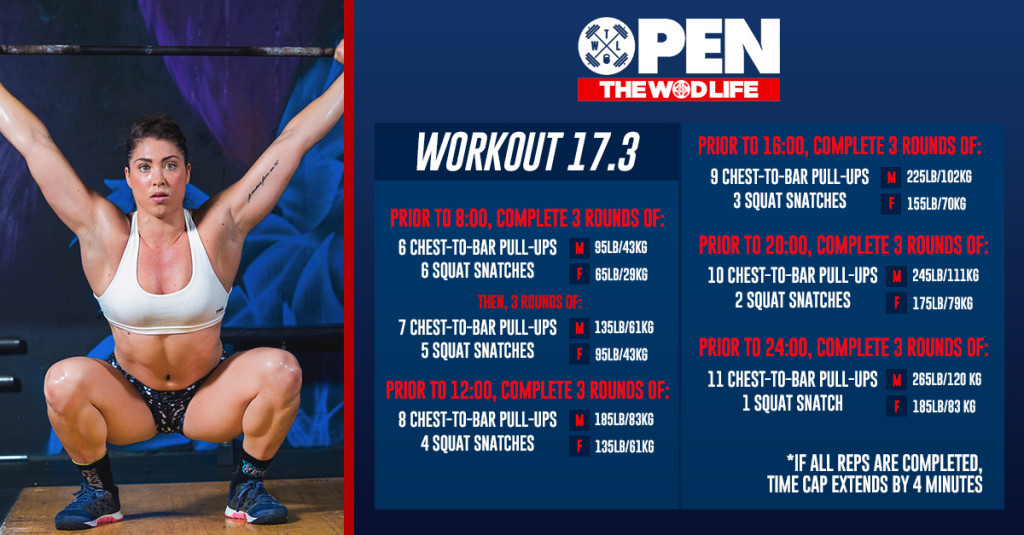
Prior to 8:00, complete:
3 rounds of:
6 chest-to-bar pull-ups
6 squat snatches, 95/65 lb or (43/29kg)

Then, 3 rounds of:
7 chest-to-bar pull-ups
5 squat snatches, 135/95 lb or (61/43kg)

*Prior to 12:00, complete 3 rounds of:
8 chest-to-bar pull-ups
4 squat snatches, 185/135 lb or (83 / 61kg)

*Prior to 16:00, complete 3 rounds of:
9 chest-to-bar pull-ups
3 squat snatches, 225/155 lb or (102 / 70kg)

*Prior to 20:00, complete 3 rounds of:
10 chest-to-bar pull-ups
2 squat snatches, 245/175 lb or (111/79kg)

Prior to 24:00, complete 3 rounds of:
11 chest-to-bar pull-ups
1 squat snatch 265/185 lb or (120/83kg)

NOTES

This workout begins with the athlete standing under the pull-up bar. At the call of “3, 2, 1 … go,” the athlete will have 8 minutes to perform 3 rounds of 6 chest-to-bar pull-ups and 6 squat snatches, AND 3 rounds of 7 chest-to-bar pull-ups and 5 squat snatches. If all 72 repetitions are not completed within 8 minutes, the athlete’s workout is over, and they will stop and record their score.

If all 72 repetitions are completed within the 8-minute window, the athlete will earn an additional 4 minutes to continue with the couplet. If all 108 reps (36 from rounds 1-3, 36 from rounds 4-6 and 36 from rounds 7-9) are completed by the 12-minute mark, the time will once again be extended by 4 minutes. Throughout the workout, after every 3 complete rounds, the reps of the pull-up will increase, the reps of the snatch will decrease, and the barbell will get heavier. Once a 3-round section is completed, the athlete may immediately begin their next section. They do not need to wait for the 4-minute window to expire before moving on to the next section. This pattern will continue for up to 24 minutes, as long as 3 rounds of the couplet are completed before each cutoff.

This workout is over when the athlete completes all the required work prior to 24 minutes or fails to complete all the repetitions within the cutoff time for a section. The athlete’s score is their time if they complete the workout or the number of repetitions completed up to their cutoff time.

In this workout, another person may assist the athlete in changing the plates on the barbell during the workout, or multiple barbells may be used.

TIEBREAK

If all 216 reps are completed prior to the 24-minute time cap, your score will be your total time and there will be no tiebreaker. However, if you are not able to complete the entire workout in the allotted time, a tiebreaker will be factored into your final score. During the workout, be sure to note your time at the end of each 3-round section. When you submit your score, there will be a space for your final rep count and an additional field for you to enter the elapsed time at which you completed your last full 3-round section. In the case where two athletes have the same score (total number of reps), the athlete with the lower tiebreak time will be ranked higher.

Note: All tiebreak times must be reported in elapsed time, not in time remaining. If you are using a countdown timer, you must convert to elapsed time before reporting your score. For this reason, it is recommended you set your clock to count up.

EQUIPMENT

• Pull-up bar
• Barbell
• Collars
• Standard bumper plates (18 inches in diameter) to load to the appropriate weight for your division

*The official weight is in pounds. For your convenience, the minimum acceptable weights in kilograms are 15 kg (35 lb.), 20 kg (45 lb.), 25 kg (55 lb.), 29 kg (65 lb.), 34 kg (75 lb.), 43 kg (95 lb.), 47 kg (105 lb.), 52 kg (115 lb.), 61 kg (135 lb.), 70 kg (155 lb.), 79 kg (175 lb.), 83 kg (185 lb.), 93 kg (205 lb.), 102 kg (225 lb.), 111 kg (245 lb.) and 120 kg (265 lb.).

For each workout, be sure the athlete has adequate space to safely complete all the movements. Clear the area of all extra equipment, people or other obstructions.

Any athlete who in any way alters the equipment or movements described in this document or shown in the workout standards video may be disqualified from the competition.

World Record on 17.1

World Record on 17.1

World Record on 17.1

Nicolai Duus has scored a time of 9:41 on 17.1.  From Copenhagen, Denmark representing CrossFit Nordvest, Duus has blitzed the field on the first workout of the 2017 CrossFit Season.

With scores still being submitted up until the extended deadline day, will he be beaten? Mat Fraser and Rich Froning both have yet to submit a score so only time will tell!

Watch the World Record on 17.1 now!

https://www.youtube.com/watch?v=su_Fpy7uBCE