A Complete Breakdown of Muscle-Ups

If you haven’t gotten that first ring muscle-up yet — or if you have, but can’t stay consistent or string them together — we’re going to give you four transitions to break down the movement and learn to do it more smoothly and efficiently. With some help from Khan Porter, knocking out those reps on the rings is within your grasp.

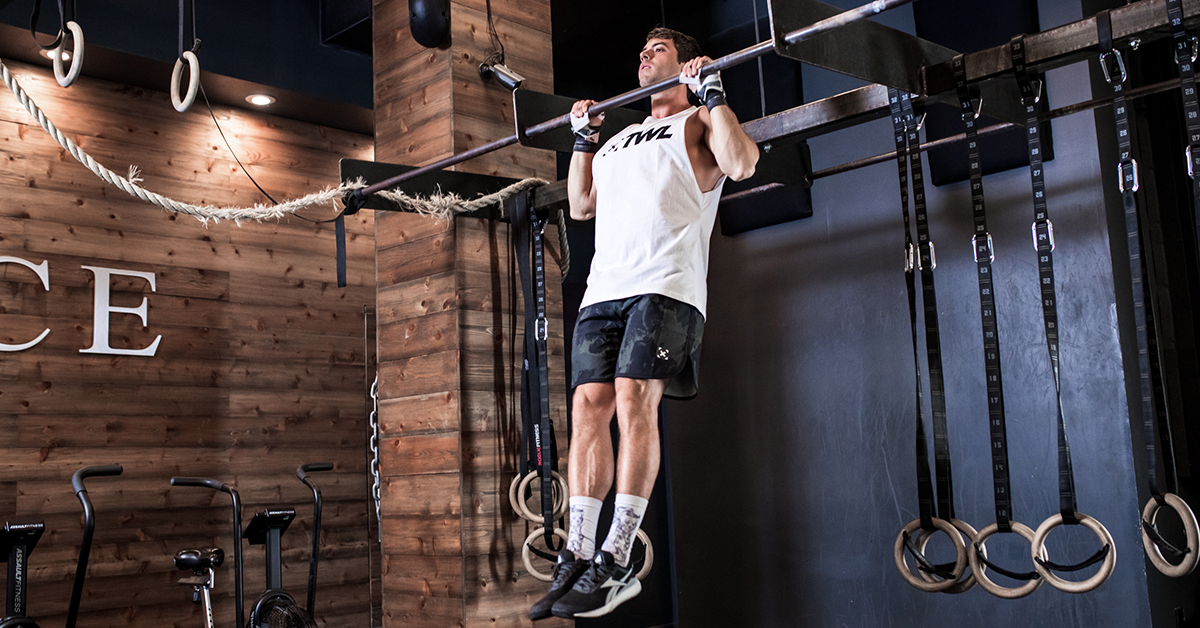
For your part, to be able to perform this movement safely, you should be able to do at least two strict chest-to-bar pull-ups, where your chest touches the bar without using any kipping. Also, two strict ring dips should be checked off from the movement list, as you need to complete the full range of motion, having your shoulders touch the rings and push back up with pure strength.

By doing these two movements, you protect yourself from injury and confirm you can complete the muscle-up once you are up on the rings.

Here are four progressions to practice and how to protect your grip along the way. Don’t forget to check out our video on the full movement, with Khan Porter.

How to Improve Your Muscle-Ups

1. Transition With Feet on the Ground

Transitioning from the ring row position to getting through the rings can be tricky. For this progression, start with the low rings and feet on the ground.

Make sure your arms are extended and imagine there’s a plate of glass between both rings which you need to break through. From that position, drive your hips up to the rings and smash through the glass.

Your head should guide the movement along with your hips. This progression helps to understand the turnover you will later perform in the full movement.

Remember to always keep the rings close to your body and be fast and aggressive throughout the movement.

2. Transition With Feet on the Box

Place your heels on a box and kip to bring your hips to the rings. Again, break through the glass with your head, making sure you throw your shoulders in front of you.

3. Hips to Rings

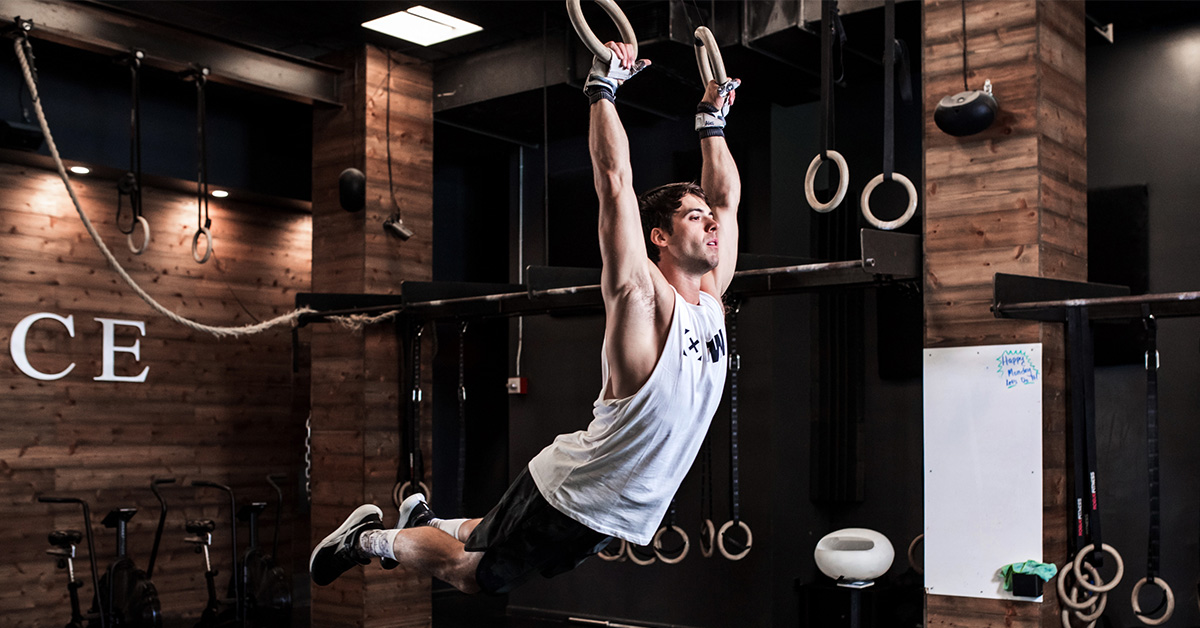
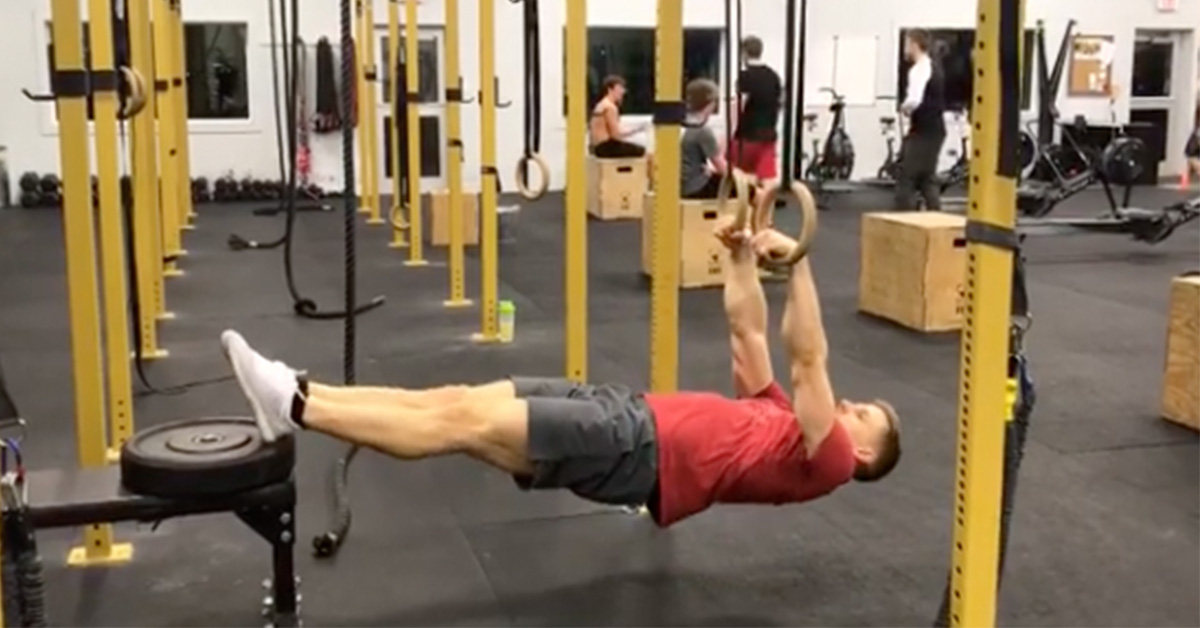
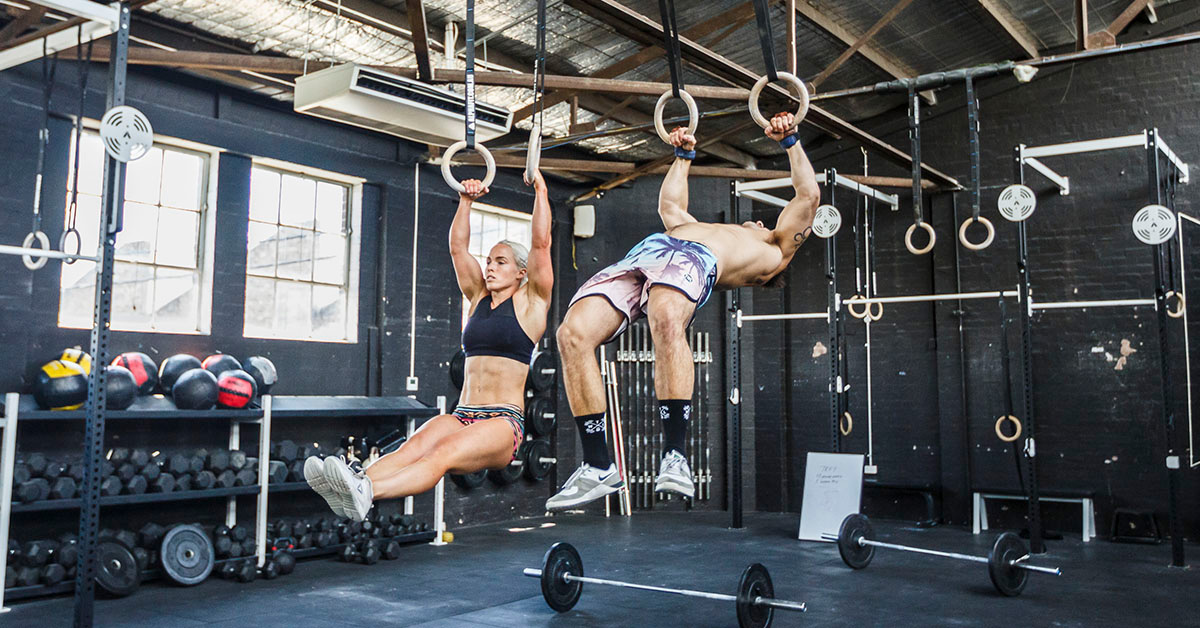
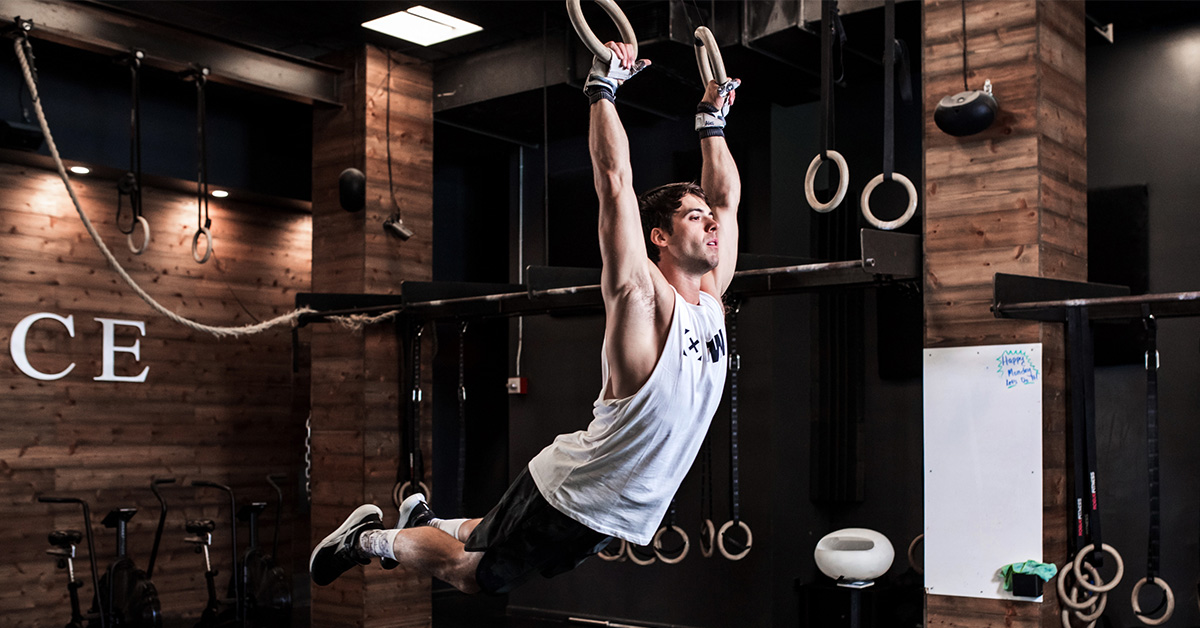
To perform this progression, grab the rings with a false grip and steady yourself at a dead hang, shoulders always engaged. Extend back into the superman position and into a hollow body, bringing your hips to the rings in a controlled motion to create momentum. Feet should be together through the movement; and when you reach the hips to the rings, you should be able to see your toes.

Once you get to this transition, you may notice the false grip is a bit uncomfortable. The grip in and of itself is a huge hurdle for many of us, because it can be tough on your palms and the insides of your wrists. Leather palm grips will prevent the rings from chewing up your skin.

If you’re not a fan of palm grips — or if you haven’t used them enough to be comfortable with them yet — another excellent option is tape combined with wrist wraps. You’ll have the support and protection you need without something that covers as much surface area.

4. Linking the Two Movements

After you have completed these progressions, you need to link the two moves — from swinging in the rings to getting through the rings and breaking the plate of glass, and a ring dip to complete the full movement.

https://www.instagram.com/p/CDDo8sOAeXP/

The secret of this movement is to make a fast transition, elbows back and your arms always close to your body, because when you bring your legs down, the rest of the body is sent up and it’s easier to get a high dip. By transitioning into a high dip, you need less effort pressing up to finish the movement and it’s less likely you’ll fail. If you feel strength is a limiting factor, you can do sets of legless rope climbs, strict pull-ups, ring rows, Russian dips, etc.

Always remember hard work and a lot of practice pay off. By following these progressions, you’ll get closer and closer to getting a ring muscle-up. We believe in you!

Have you gotten your first muscle-up yet? Let us know in the comments section below.
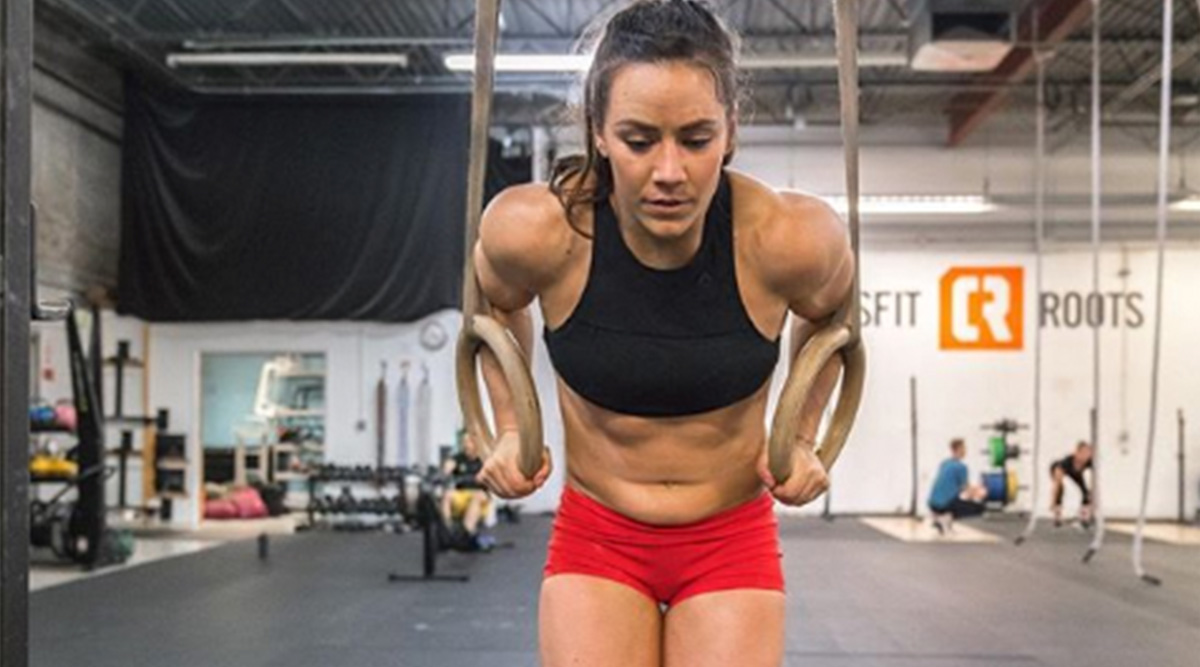
Camille Leblanc-Bazinet’s Tips for Muscle-Ups

Mastering muscle-ups is every athlete’s dream. Long before many of us can even do a single strict pull-up, we’re swinging wildly from the rings trying to magically figure out flawless muscle-up technique. If you’ve been working on yours but can’t quite figure it out, Camille Leblanc-Bazinet might have the answer.

In an Instagram video, she gave a helpful tip for practicing the kip, plus two things you want to avoid.

@clbnation #onlineprogram link in bio “ ‘ Little muscle-up swing work!! First video is how I like to practice those the best! Keeping my body long and making sure I keep tension on the ring by pushing and pulling…. the ring should go in front of your head to behind your head… love putting the ball ?? between my legs to keep those long as they help following the keep created…. ‘ “ Second video is what not to do!! Where the athlete only push on the ring and do not pull back! You can see that the ring stay over my head the whole time therefor I am not positioning myself for success… you will have to pull a lot more to get above and the swing is giving you almost nothing as you lose energy by not keeping tension on the ring!! “ ‘ Third video is when you don’t keep your body long and go in hyper extension… you really want to recruit as much of the core musculature here to produce a good transfer of energy and that get tamed down if you do not keep your core engaged through the movement!!! I hope those little trick help you guys ??

A post shared by Camille Leblanc-Bazinet (@camillelbaz) on

They’re such a cool movement that we’re in a hurry to get there, but patience is a virtue. Building the foundation will not only make things easier in the long run, but it’ll also protect you from injury. Do things the right way, and your body will thank you for it.

If you need more guidance, check out our blog on a complete breakdown of muscle-ups and look at the movement piece by piece.

Main image: Camille Leblanc-Bazinet/Instagram

THE PROS AND CONS OF TRAINING TWICE A DAY

The debate surround training twice a day seems to be a uniquely CrossFit problem. Perhaps it’s the nature of the sport – so much to work on in so little time – or maybe it’s the glorification of athletes like Rich Froning and Jacob Heppner who seem to work out more in one day than the rest of us work out in a week. Regardless of the reason, training twice a day has become a trend in many CF gyms – not just by elite athletes but everyone. Here are the pros and cons of training twice a day.

A Complete Breakdown of Muscle-Ups

If you haven’t gotten that first ring muscle-up yet — or if you have, but can’t stay consistent or string them together — we’re going to give you four transitions to break down the movement and learn to do it more smoothly and efficiently. With some help from Khan Porter, knocking out those reps on the rings is within your grasp.

For your part, to be able to perform this movement safely, you should be able to do at least two strict chest-to-bar pull-ups, where your chest touches the bar without using any kipping. Also, two strict ring dips should be checked off from the movement list, as you need to complete the full range of motion, having your shoulders touch the rings and push back up with pure strength.

By doing these two movements, you protect yourself from injury and confirm you can complete the muscle-up once you are up on the rings.

Here are four progressions to practice and how to protect your grip along the way. Don’t forget to check out our video on the full movement, with Khan Porter.

How to Improve Your Muscle-Ups

1. Transition With Feet on the Ground

Transitioning from the ring row position to getting through the rings can be tricky. For this progression, start with the low rings and feet on the ground.

Make sure your arms are extended and imagine there’s a plate of glass between both rings which you need to break through. From that position, drive your hips up to the rings and smash through the glass.

Your head should guide the movement along with your hips. This progression helps to understand the turnover you will later perform in the full movement.

Remember to always keep the rings close to your body and be fast and aggressive throughout the movement.

2. Transition With Feet on the Box

Place your heels on a box and kip to bring your hips to the rings. Again, break through the glass with your head, making sure you throw your shoulders in front of you.

3. Hips to Rings

To perform this progression, grab the rings with a false grip and steady yourself at a dead hang, shoulders always engaged. Extend back into the superman position and into a hollow body, bringing your hips to the rings in a controlled motion to create momentum. Feet should be together through the movement; and when you reach the hips to the rings, you should be able to see your toes.

Once you get to this transition, you may notice the false grip is a bit uncomfortable. The grip in and of itself is a huge hurdle for many of us, because it can be tough on your palms and the insides of your wrists. Leather palm grips will prevent the rings from chewing up your skin.

If you’re not a fan of palm grips — or if you haven’t used them enough to be comfortable with them yet — another excellent option is tape combined with wrist wraps. You’ll have the support and protection you need without something that covers as much surface area.

4. Linking the Two Movements

After you have completed these progressions, you need to link the two moves — from swinging in the rings to getting through the rings and breaking the plate of glass, and a ring dip to complete the full movement. Check out the full video below!

The secret of this movement is to make a fast transition, elbows back and your arms always close to your body, because when you bring your legs down, the rest of the body is sent up and it’s easier to get a high dip. By transitioning into a high dip, you need less effort pressing up to finish the movement and it’s less likely you’ll fail. If you feel strength is a limiting factor, you can do sets of legless rope climbs, strict pull-ups, ring rows, Russian dips, etc.

Always remember hard work and a lot of practice pay off. By following these progressions, you’ll get closer and closer to getting a ring muscle-up. We believe in you!

Try This Exercise From Brent Fikowski to Get Your First Muscle-Up

Itching to get your first muscle-up? In the functional fitness world, this is considered the move to master. Once you do, it’s like you’re part of a special club. That, of course, means it’s incredibly challenging to get, and something many athletes chase for years.

Progressions and drills are crucial if you want to get over the rings. Try this one from Brent Fikowski.

View this post on Instagram

A post shared by Brent Fikowski (@fikowski) on

Want more help? Check out this drill from Stacie Tovar, and these muscle-up tips from Camille Leblanc-Bazinet. Don’t forget: you should be able to do these five things before you attempt ring muscle-ups.

Main image: Brent Fikowski/Instagram

5 Muscle-Up Progressions From Annie Thorisdottir

annie thorisdottir

There’s one movement in functional fitness that, once you accomplish it, means you’ve really “made it”: the muscle-up. No movement is more fascinating — or difficult to conquer. Equal parts strength and technique, it’s something athletes will work toward for years. Annie Thorisdottir is here to help, with five ring muscle-up progressions that can make your journey a little smoother.

  1. Ring rows
  2. 20-second top hold
  3. 20-second dip hold
  4. 3 x 10-second dip
  5. Russian dips
View this post on Instagram

A post shared by Annie Thorisdottir (@anniethorisdottir) on

With ring rows, remember that the further out and higher up your feet are, the harder it gets. You might need to start with your feet only slightly out in front of your body, on the ground. (In other words, you’re not laying that far back.)

Will you give these a try?

Main image: Annie Thorisdottir/Instagram

5 Things You Should Be Able to Do Before Attempting Ring Muscle-Ups

The muscle-up is one of the most, if not the most, high-skill gymnastics movements in functional fitness. There are a ton of skills and drills that need developing if you ever hope to find yourself above the rings, feet kicking in jubilation. But that’s not all that needs developing. There’s an ample amount of prerequisite strength required to perform the movement, as well. Here are five things you should be able to do before attempting ring muscle-ups.

5 Things to Master Before You Attempt Muscle-Ups

1. Strict Pull-Ups

The ability to perform strict pull-ups form the foundation of any good muscle-up. No pull-ups, no muscle-up. But everyone knows that, right? We like to see our athletes perform a minimum of five strict pull-ups ups in a row – with a good hollow body position – before even attempting a muscle-up. This ensures the athlete has an adequate amount of musculature to support the extra stress placed on the body from kipping.

Note: If unable to perform strict pull-ups, try incorporating ring rows, bent over rows, and eccentric work into your programming to help bridge the gap.

View this post on Instagram

A post shared by The WOD Life (@thewodlife) on

Remember, too, that this isn’t only about building the foundation so that muscle-ups are easier. It’s also about protecting your body and avoiding injury by building a strong and stable base for more difficult movements.

2. Bar Dips

Bar dips represent the second foundational movement necessary before attempting anything on the rings. In functional fitness, we do most of our pressing overhead (like in a shoulder-to-overhead) or horizontally (like in a push-up or bench press). Rarely do we press downward like we do in a dip. This becomes a necessary skill to practice and get familiar with if you intend to do muscle-ups — not only to finish the movement but also to ensure you have a rock solid receiving position.

Note: If unable to perform bar dips, try incorporating close-grip push-ups and box/bench dips into your programming.

3. Kip Hips to Rings

Building off the foundational pulling strength required to perform muscle-ups, the ability to kip and bring your hips to the rings — again, while maintaining a hollow body — is a necessary skill for muscle-ups. This ensures that the kip is strong enough and that the athlete is elevating their body to the point where they can successfully turn over, rather than just bringing their shoulders or chest to the rings as if they were doing a CTB pull-up on a bar.

Note: It’s important for the athlete to not overextend in their lower back for the sake of making contact with the rings. This is usually a result of the athlete not pulling high enough and “just trying to meet the standard.” It becomes impossible for the athlete to transition over the rings from this overextended position. The rings should make contact with the hips in a hollow body position.

View this post on Instagram

A post shared by The WOD Life (@thewodlife) on

4. Ring Dip Isometric Hold – Top and Bottom

The ability to perform isometric holds at the top and bottom of a ring dip demonstrates control over the rings. It’s always funny to watch athletes jump to the lockout position of a ring dip for the first time and watch the rings violently shake underneath them. The rings, by nature, are dynamic — more dynamic than any other object in functional fitness. This requires all the tiny stabilizing muscles in your shoulder girdle to work extra hard to control the apparatus.

Thankfully, with a little practice, I’ve found athletes can adapt relatively quickly to this movement, but it’s an important movement to practice nonetheless to develop that mind-body connection with the rings.

View this post on Instagram

A post shared by The WOD Life (@thewodlife) on

5. Ring Dips

Finally, ring dips. Simply put, if an athlete cannot perform a rock solid, deep ring dip, they physically won’t be able to finish the muscle-up. The reason I emphasized the word deep is because, more than likely, the first time you turn over on the rings, you’ll find yourself in the deepest ring dip of your life. The ability to have control via isometric holds and strength developed through ring dips will help get you out of the bottom of that impossibly deep dip.

Ready to give it a shot? Here’s Khan Porter with a little more advice.

Can You Handle This Muscle-Up Complex?

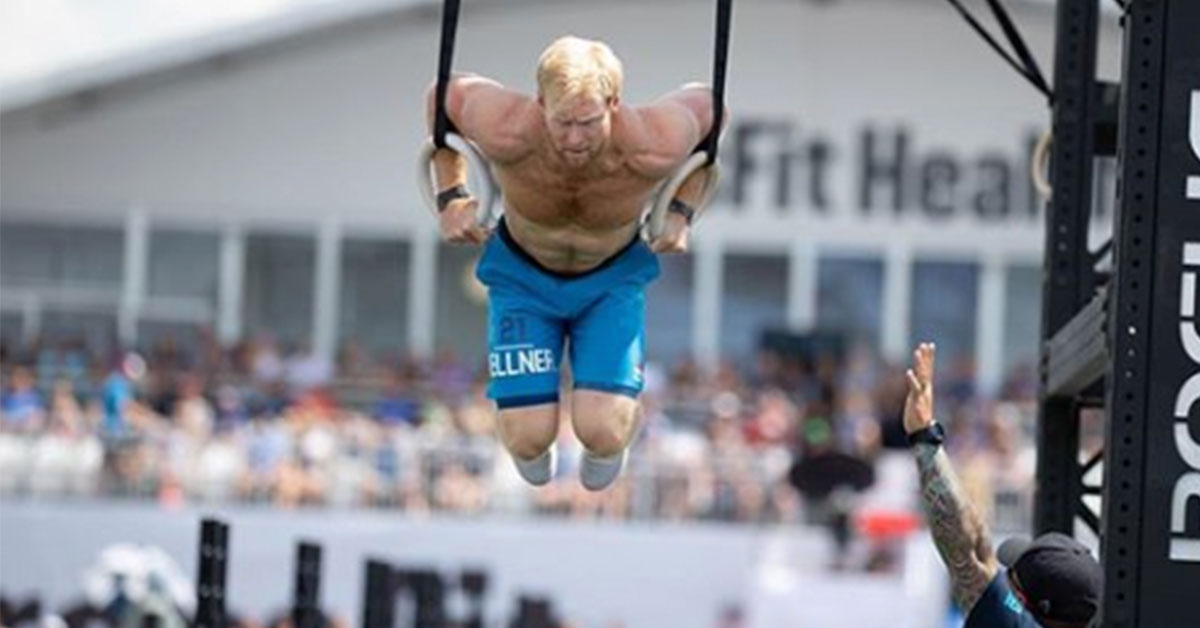
patrick vellner

If you’ve got muscle-ups down but could use some additional help building strength and practicing technique (couldn’t we all?), try this complex from Patrick Vellner, which will very likely totally kick your butt.

5 sets of
2 strict muscle-ups
5 kipping muscle-ups
1 strict muscle-up
https://www.instagram.com/p/BxAkE1Vjb2F/

If you’re not quite there yet, don’t panic. Muscle-ups can take years to conquer and improve. In the meantime, make sure you can do these five things. They’ll help you build a  strong and stable foundation for muscle-ups.

Main image: Patrick Vellner/Instagram

A Strength-Building Muscle-Up Complex From Pat Vellner

pat vellner muscle-ups

If muscle-ups are on your list of 2019 goals, strength-building is non-negotiable. In fact, many will argue that you should be able to do a movement strict before you start kipping — even CF head honcho Greg Glassman.

While honing your technique and working on muscle-up progressions are also important pieces of the puzzle, building a solid, sturdy foundation is a must if you want to achieve kipping ring muscle-ups and keep your shoulders healthy while you’re at it. Check out this complex from Pat Vellner.

5 sets of 3 strict muscle-ups + 6 strict ring dips

View this post on Instagram

A post shared by Patrick Vellner (@pvellner) on

Main image: Pat Vellner/Instagram

The 5 Ring Muscle-Up Progressions You Really Need

Before Dave Castro introduced the handstand walk in the Open, most athletes would say that the ring muscle-up was the hardest, most technique-savvy thing in the sport — making them the most brag-worthy movement.

The reason that the exercise is so difficult, according to four-times Games athlete and fittest woman in the United States for 2018, Kari Pearce, USAW-SPC, ISSA-CPT, is that it requires a tremendous bout of strength and technique. “The ring muscle-up works a variety of muscles: your back, shoulders, abs, biceps, triceps, and core. When you do a kipping ring muscle-up, the movement is full-body. You even use your hips to generate power to get you above the rings.”

View this post on Instagram

A post shared by The WOD Life (@thewodlife) on

If you want to master the ring muscle-up, Ashley Stewart, CF-L1, Versatility Fitness in Pflugerville, TX, recommends that you can complete at least five to eight reps of strict chest to bar pull-ups and five to eight strict ring dips, plus have solid core strength. “If not, I suggest they work strictly on progressions that build on strength and worry about ring muscle-up technique once they are truly strong enough to complete one safely,” said Stewart.

Below, you will find both ring muscle-up progressions that help improve strength and progressions that are focused on the skill.

The 5 Ring Muscle-Up Progressions You Really Need

1. False Grip Ring Row


Before you can do a ring muscle-up, you need to develop pulling strength from a false grip, according to Michael Martino, CF-L2, Head Coach at BRICK in NYC. “The false grip is an inherently easier position to turn over than a regular grip, especially for someone new to the movement, so it is important for an athlete to get comfortable using it.”

How to do it: Pick a pair of rings that is waist to chest height. Stand facing the rings, and grab onto the rings so that your wrist can rest in the rings and your knuckles are facing each other, palms toward your body. “I like to think of this as doing a karate chop. So you are karate chopping the ring in half,” said Pearce.

Now you are going to descend into a ring row position while keeping your wrist against the ring.

Once you are comfortable here, make the movement harder by elevating your feet onto a box or bench. “I like for athletes to get to the point where they can perform five to eight false grip ring rows with their feet elevated to develop a nice pulling strength base,” said Martino.

2. Russian Box Dips


Once you can do a ring dip, you’re ready to try box dips, which use the same muscle groups but add a transition. “The primary movers in the muscle-up are going to be the upper extremities as well as all of the muscles in the shoulder capsule, plus your lats, midline, and hips,” explained Martino. This movement uses the same muscle groups.

How to do it: Stack two boxes on either side of you so that there is a 40- to 48-inch platform on either side of your body. Rest one forearm on each box so that your fingertips are over the edge and gripping onto the box.

Put the weight into your arms and release your feet from the ground. Now, you are going to move forward without momentum to get yourself off your forearms and into the bottom of the dip position. Now perform a strict dip. That is one rep.

3. Banded Muscle-Up

Once you can do at least one strict ring dip and one strict chest-to-ring pull-up, add the banded muscle-up to your routine. “I like banded muscle-ups for those who have the strength but are looking to work on their transitions. I like it because the band will take some of the weight off so you can focus on the technique of the movement and not as much of the strength aspect,” said Pearce.

View this post on Instagram

A post shared by The WOD Life (@thewodlife) on

How to do it: First, loop two thick bands together, making one large resistance band. Now set up a small box to the side of the rings so that, when you are standing on the box, you are not directly under the rings. Loop the band through one ring and hold onto the other side of the band with your hand using falsetto grip.

Step off the box so that both your feet are in the middle of the band. Adjust to the feel of the band by doing some light bounces in the band. When you’re ready, do one big jump and use the momentum to get into the muscle-up transition or the bottom of the dip.

If you have the strength, you can push up from the bottom of the dip. Just be aware that your feet may come out of the bands.

“Bands also allow for visible and tangible progression because you can vary the resistance. For instance, once a green band is too much assistance, try a red band with a blue band,” said Martino.

4. Negative Muscle-Up

“Working the movement from the top down — also known as a negative muscle-up — with a slow and controlled tempo is a phenomenal way to build strength and control,” said Martino. If you try it, just remember that the goal is quality, not quantity.

How to do it: To try one, you have to first get into the “top” portion of the ring muscle-up. Because this can be tricky with rings that are hanging from the ceiling, Martino recommends choosing rings that are at waist or armpit height. Start in a ring support with falsetto grip, with elbows tucked close to your body and arms straight, supporting your body at the top of the rings. When you are ready to begin, imagine that you are screwing your pinkies toward your pockets.

Next, perform a negative ring dip. Slowly lower yourself into a deep dip position by keeping the rings nice and close. Here is where it gets a little tricky: the transition. “Once your biceps are touching the rings, you will rotate the rings around your body — keeping the rings as close to your chest as possible — and continue to slowly lower yourself until your arms have reached full extension at the bottom,” explained Pearce.

5. Jumping Ring Muscle-Up

View this post on Instagram

A post shared by Stacie Tovar (@stacietovar) on


Have strict dips? Try the jumping muscle-up, which will get you familiar with what the movement feels like. “They allow you to work on the turnover with some help from your legs,” said Pearce. “It also teaches someone how to properly catch themselves in the bottom of the dip after they are over the rings with their entire body weight.”

How to do it: Start by setting up a box underneath a set of rings so that, when you are standing on the box, you are directly underneath the rings. “The higher the box is, the easier the exercise will be. I suggest starting high to get the feel of it then lower the box once the movement is perfected,” said Pearce. Grab onto both rings in falsetto grip, so that your hands are facing each other. From here, you will bend your knees and slightly extend your arms. (If you’ve done a jumping bar muscle-up, it’s a similar position).

“Now, you will jump and rotate your hands around your body, making sure you keep the rings close to your body, so that you catch yourself in the bottom of a ring dip,” explained Pearce. “Once you’re there, press up and out of the ring dip to complete the muscle-up.”

From here, you can either perform a negative muscle-up or simply roll off.

Want even more help with your ring muscle-up? Check out this video from Khan Porter.

Working on Getting Muscle-Ups? Try This First

Ask any functional fitness athlete what their number one goal is, and odds are they’ll say it’s to get a muscle-up. The sport is famous for this movement, which is notoriously challenging to achieve. It’s crucial to build the strength and technique you need to execute the full movement before attempting to do so. One way to do that is with jumping muscle-ups from a box. Stacie Tovar posted on Instagram showing one of her athletes accomplishing the scaled movement.


If you’ve seen this scaled version before, it’s because it’s also a common way to scale pull-ups. It allows you to work on technique and speed even if you don’t have the strength or explosiveness needed for kipping yet — an excellent alternative, considering how technique-heavy muscle-ups are.

Well done, Molly!

Main image: Stacie Tovar/Instagram

Maddy Myers Does Her First Muscle-Up Since Surgery

It was about eight months ago Maddy Myers needed surgery on her wrist, and since then, she’s taken great care to recover wisely. Patience is key, and Myers gave herself plenty of time before hopping back on the rings. A celebration is in order, though, because she recently tackled her first muscle-up since surgery, and it looked ridiculously easy.

Is there anything she can’t do?!

Main image: Maddy Myers/Instagram