

Hyrox has gone from niche fitness race to global spectacle in the blink of an eye — sold-out arenas, a world championship in Stockholm, six-figure prize pools and a stated ambition to become a “Tier 1” sport. And whenever money and prestige climb that fast, the same question follows close behind: is the testing keeping up?
To its credit, Hyrox has just moved the goalposts. Under updated rules, any athlete chasing Elite 15 qualification via average time must now hold a valid Hyrox Athlete License for their Pro result to count — and that license folds anti-doping compliance directly into the qualification pathway. Top finishers are tested, results only count under “consistent, verifiable conditions,” and the whole thing is designed to make the elite leaderboard something you can actually trust. Technical Director Mat Lock framed it plainly: performances shaping the E15 need to be “clean, verifiable, and delivered under the right conditions.”
That’s a genuinely good step. So why isn’t everyone convinced?
The case that it’s enough — for now
Hyrox is young, and building an anti-doping framework from scratch is hard, expensive and slow. Tying eligibility to a license is smart: it creates a single point of accountability, gives organisers a lever to enforce standards, and signals to athletes that clean sport is the price of entry, not an afterthought. Testing the top of the field catches the performances that matter most — the podiums, the records, the results that sell the sport. For a competition scaling this quickly, that’s a defensible place to start.
The case that it should go harder
Here’s the rub. The incentive to cheat scales with the reward, and Hyrox’s rewards are ballooning. Licensing plus finish-line testing is a deterrent, but it’s a relatively soft one. The thing that genuinely scares dopers isn’t a test they can see coming on race day — it’s unpredictable, year-round, out-of-competition testing, where an athlete can be knocked on the door in February for a race in June. Most of the performance-enhancing benefit is banked in the training block, long before anyone lines up next to a SkiErg.
Right now, testing the “top finishers” leaves questions. How deep does it go? How often are athletes tested away from competition? Is there anything resembling a biological passport, or public reporting of sanctions? Without answers, licensing risks looking like paperwork rather than a real deterrent.
What CrossFit gets right
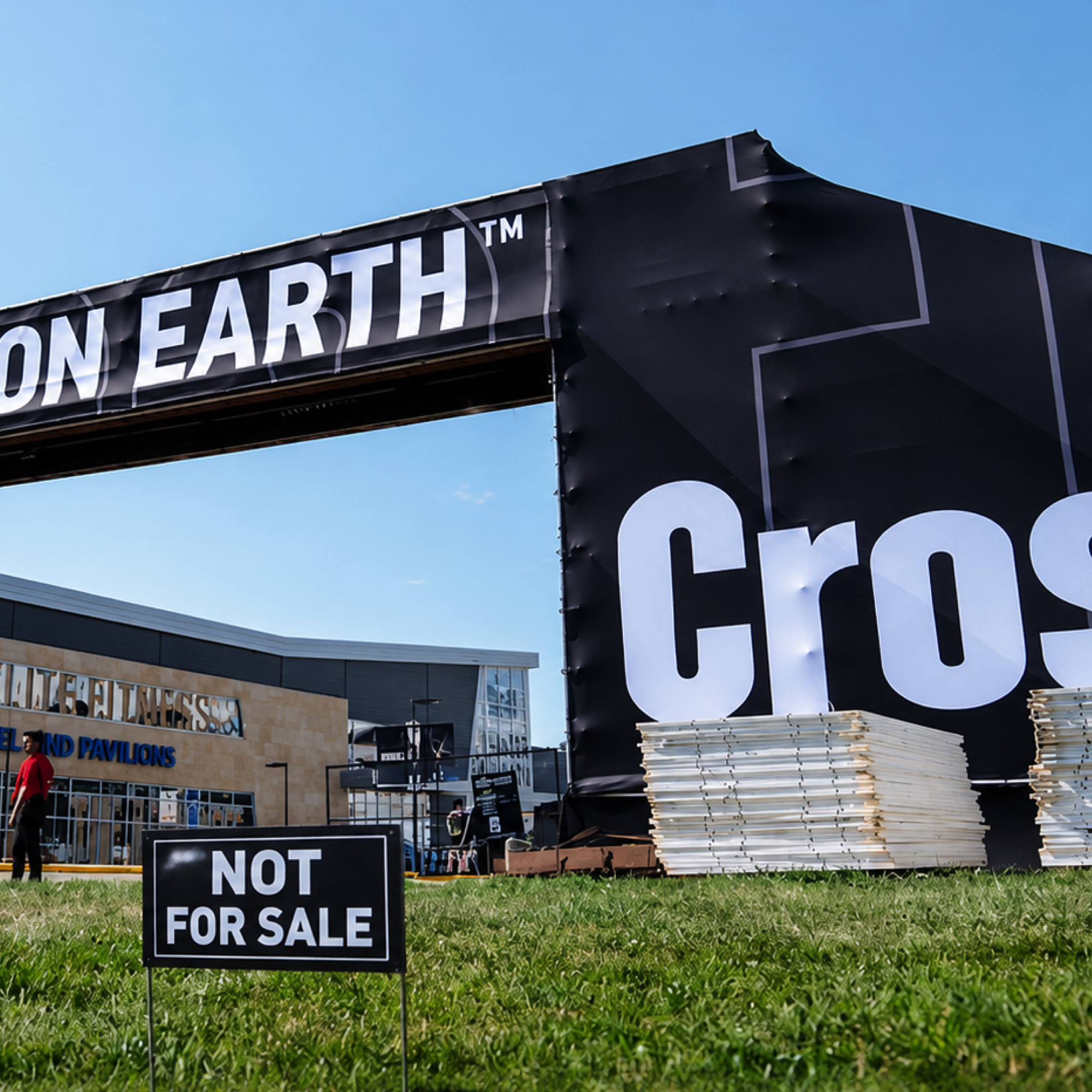
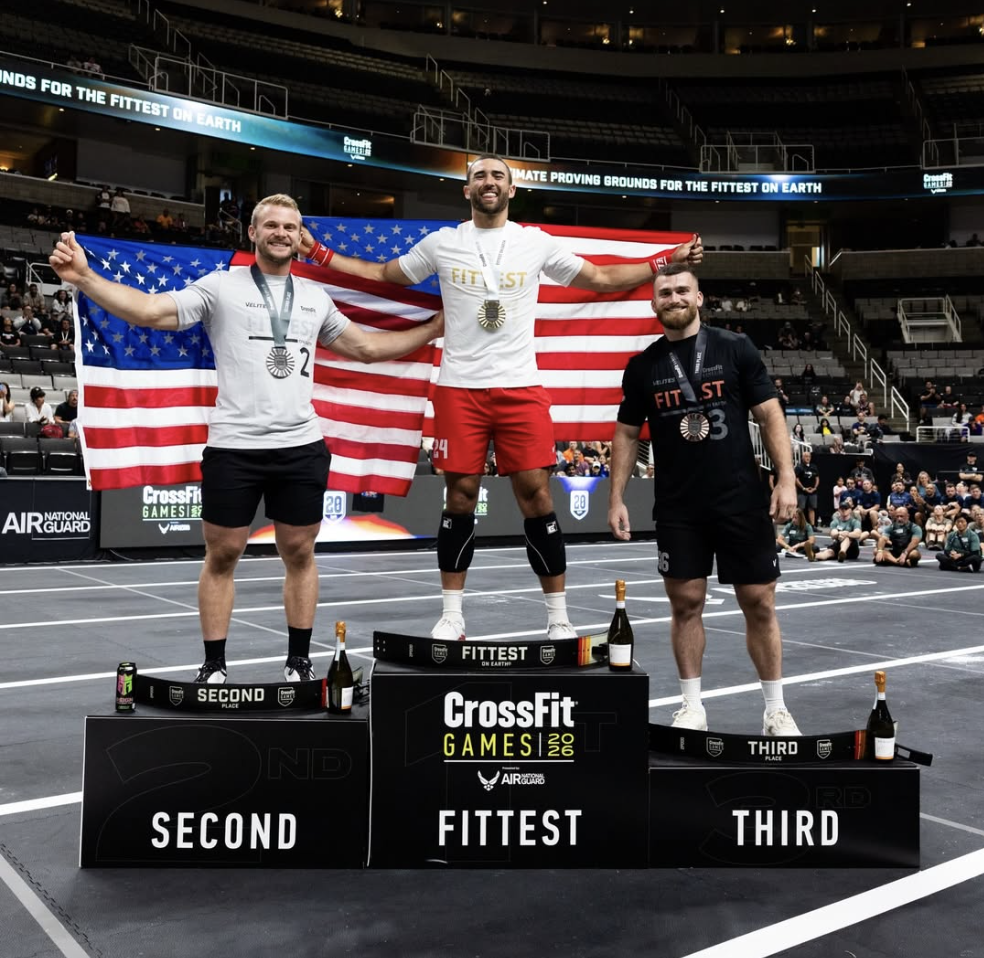
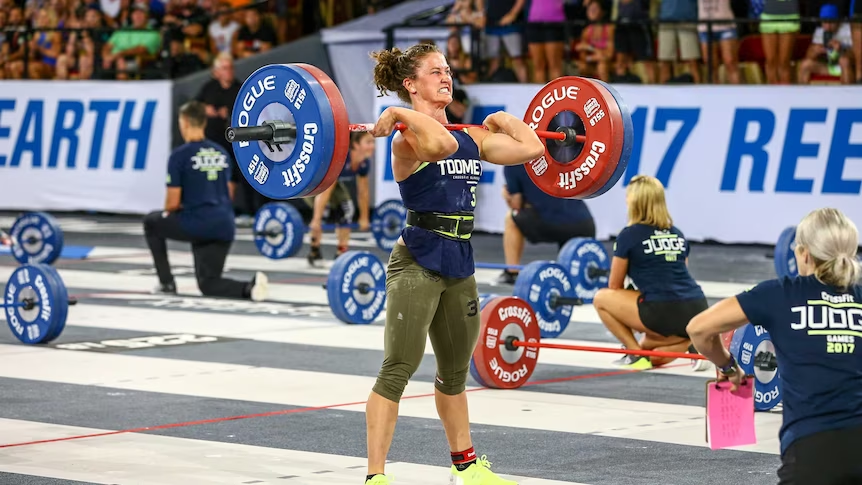
It’s worth looking sideways at CrossFit, which has a decade-plus head start. CrossFit has run a formal drug-testing program for years — in-competition and random out-of-competition testing for Games-level athletes, a published banned-substance policy, and very public multi-year bans when athletes test positive. It’s not perfect, and it hasn’t stopped every scandal, but it has done the one thing that matters: created a credible, ever-present threat, and a culture where a positive test ends careers. Hyrox doesn’t need to copy it wholesale, but the destination is clear.
The verdict
Hyrox is moving in the right direction, and faster than most sports its age. But if it truly wants Tier 1 status — and the prize money to match — it can’t stop at licensing and finish-line swabs. The credibility of a leaderboard is only ever as strong as the testing behind it, and expanding toward transparent, year-round out-of-competition testing is how you protect it.
For those of us who love this sport and take our own training seriously, that matters. A level playing field is what makes the racing worth watching — and worth chasing. Hyrox has made a strong start. Now it needs to keep pushing.
Where do you stand — is Hyrox testing enough, or does it need to go further? We’d love to hear it.