The Hang Clean: How to Do It, Muscles Worked, and the Benefits

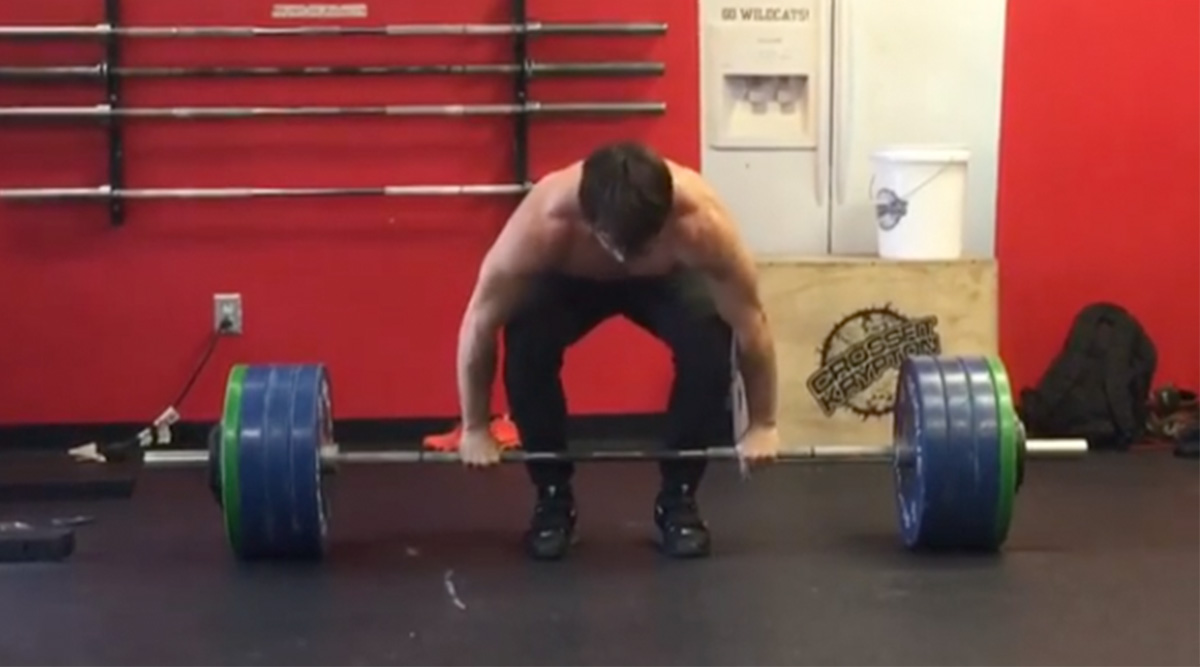
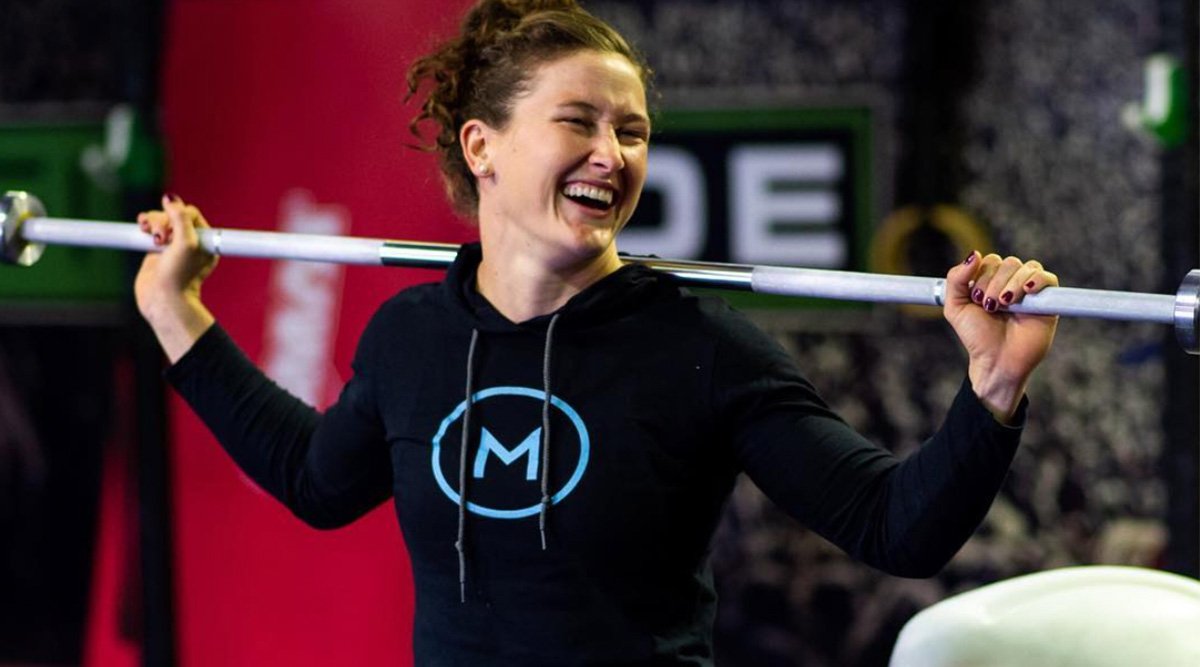
khan porter doing hang clean

There are countless variations of the almighty Olympic weightlifting clean. One such way to put a spin on the lift is with the hang clean. In this blog, we’re going to deep dive into:

  • What the hang clean is.
  • How to do it.
  • The muscles it works.
  • Benefits.

Let’s go!

Wait, What is a Hang Clean, Anyway?

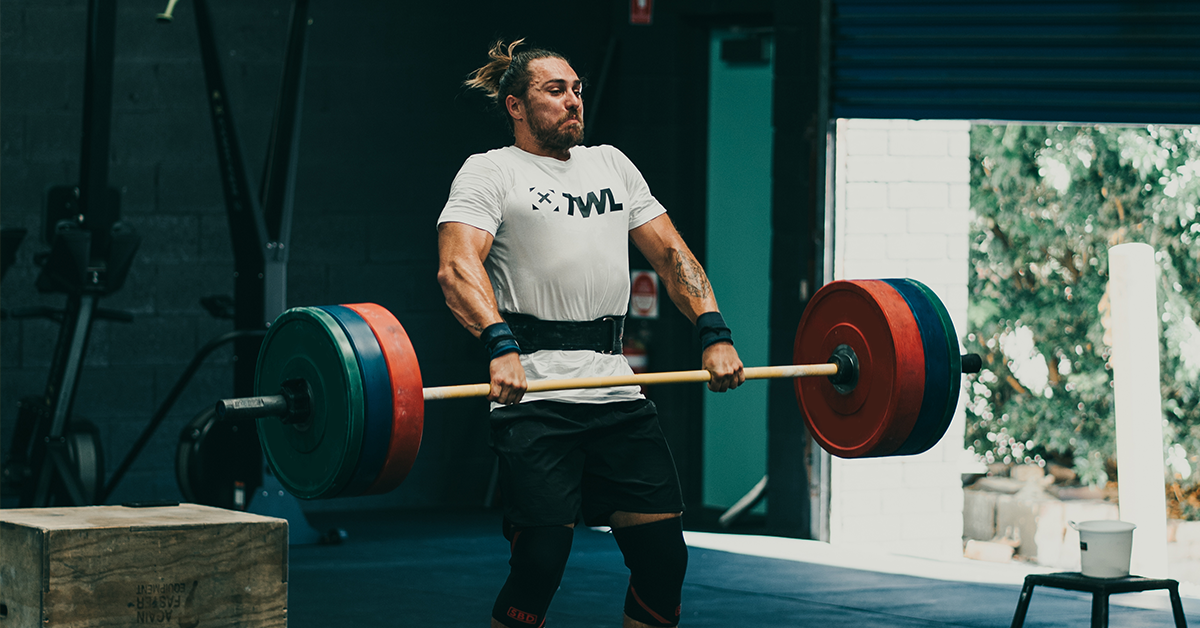
You know a “regular” clean to be one where the barbell starts on the ground. In a hang clean, you begin in a standing position, the barbell already in your hands. But why is it called a hang clean? The word “hang” refers to where the barbell is. It’s literally hanging.

Now, where exactly you start your lift is up to you. Some people say that a hang clean means the barbell starts somewhere between your knees and hips. However, as long as the barbell isn’t on the ground, it’s technically in a hang position. This means you can perform a hang clean with the barbell:

  • Hovering an inch off the ground.
  • Mid-shins.
  • Just below your knees.
  • Just above your knees.
  • In the middle of your quads.
  • In your hip crease.

How to Do a Hang Clean

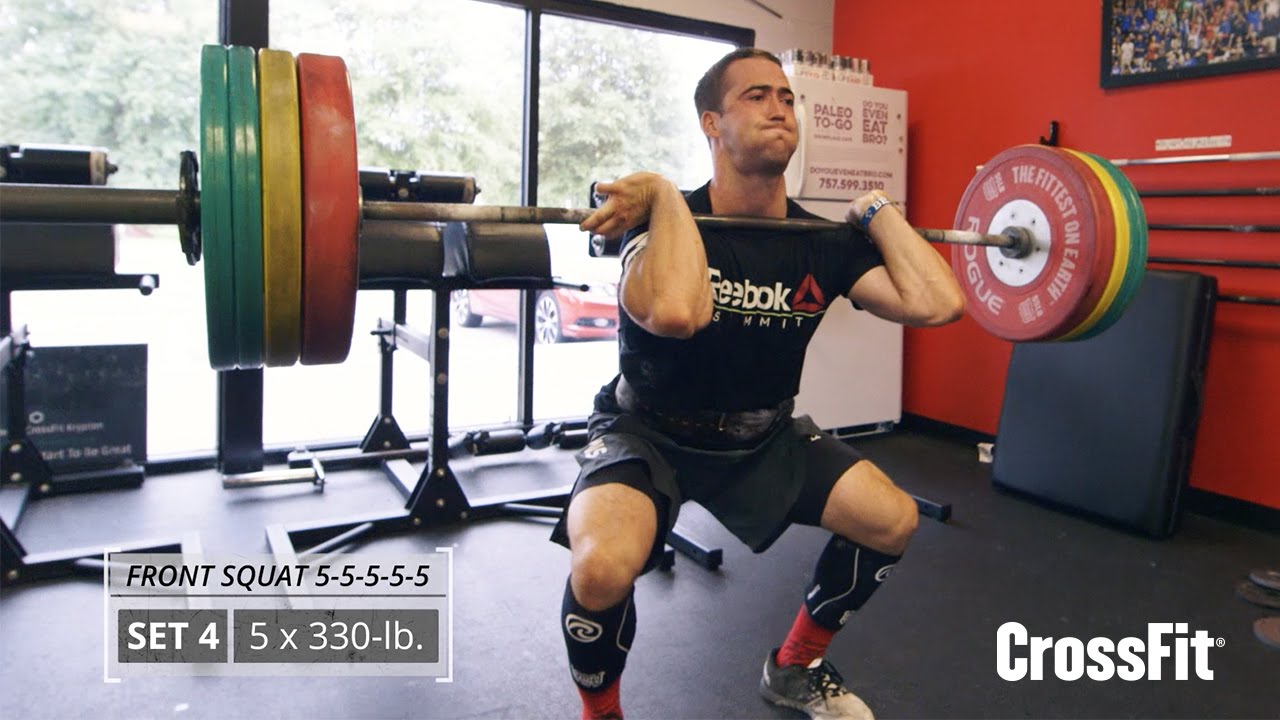
The lift itself doesn’t change. What we mean is that you’re still performing a clean. Regardless of where the barbell starts, you must use your strength and power to get the bar into the front rack position, ride it down into a squat, and stand to complete the rep.

While the beginning of your lift will vary depending on where you hold the bar, the steps after that will be the same.

  1. Stand with the bar approximately an inch off your shins, feet about shoulder-width apart.
  2. Bend at the knees and crease at the hips to meet the barbell with your hands. You should be about a thumb’s length from the knurling. Use the hook grip.
  3. Grip the barbell and stand up all the way.
  4. Lower the barbell to your desired hang position.
  5. Extend through your feet, legs, and hips to generate power into the barbell.
  6. Keeping the barbell close to your body, shrug it up and semi-squat under it. Think of whipping your elbows around the bar.
  7. Ride the barbell down into a full squat. Or, if you’re doing a hang power clean, simply stand up all the way. (Don’t forget to read our ultimate guide to the power clean!)
  8. If you did a full squat clean, stand up out of your squat. This completes one rep.

Here’s a hang clean performed from above the knee.

The hang clean can take a toll on your body. You might find wrist wraps, knee sleeves, and finger tape helpful for giving you the support and protection you need.

Shop Now

Hang Clean Muscles Worked

Where can you expect to build strength if you regularly rehearse the hang clean? It’s excellent for targeting your posterior chain. However, you can also expect your upper body to get one heck of a workout. This includes your:

  • Traps.
  • Deltoids.
  • Quads.
  • Forearms.
  • Core.

Hang Clean Benefits

It’s not just the muscles worked that make hang cleans worthy of your time and attention. They offer many other benefits, as well.

  • They teach you to improve explosiveness and power. This translates to many other things you do in the gym, including other lifts, burpees, box jumps, and handstand push-ups.
  • They demand speed. Since your pull is cut short, you have to be prepared to get under the bar with less notice.
  • Your technique is even more important. You might think that because the lift takes less time, you don’t have to be as precise. In actuality, it’s the opposite.

3 Common Mistakes in the Hang Clean

The hang clean is a tricky one! Here are a few of the more common mistakes athletes make.

Not Finishing the Pull

Because the lift is shorter, athletes tend to feel rushed. So, they rush the movement. This often means that don’t finish the pull and extend all the way at the top of the lift.

But reaching full extension at the top — meaning your body is straight — will help you get more height on the barbell.

Throwing the Barbell onto the Shoulders

The barbell can feel even heavier in a hang clean. And in a way, it is. You likely won’t be able to lift as much from the hang position as you can from the floor.

But athletes will sometimes respond by trying to “thrust” the barbell onto their shoulders and use pure momentum to get it there. What often happens is that it crashes onto them, and their stability takes a serious hit.

Letting the Barbell Drift from the Body

Whatever kind of clean you’re doing (or snatch, for that matter), you want the barbell to stay as close to your body as possible. If the bar drifts away from you, either (1) you have to jump forward to meet it, or (2) it’s going to swing out in a loop, coming back toward you with too much force. (This is especially problematic in the snatch, where you can miss the lift behind you.)

Power Clean vs Hang Clean

People who are newer to the Olympic lifts sometimes confuse the power clean and the hang clean. They do have one thing in common: They are “shorter” lifts than your full squat clean.

In the power clean, you don’t squat all the way down. After getting under the barbell, you simply straighten your legs until you’re at full extension.

In the hang clean, the barbell starts somewhere above the ground. You can choose to squat all the way down or perform a hang power clean.

Is the Hang Clean Better or Worse than a Full Clean?

Neither! While a full clean will likely build more strength overall, the hang clean allows you to target the weakest points of your pull. And a strong pull is vital to every type of clean. It’s also great for learning how to lift faster and more precisely.

There you have it! What are you waiting for? Get to work!

Want to take your lifts to the next level? You’re going to need a high-quality pair of weightlifting shoes. Shop our collection now!
Power Cleans: Improve the Move With These 3 Tips

Power cleans: All the fun of lifting big weights without burning out your quads in the process. Some people love ’em because it saves them a squat. Other athletes dread them because something about not being able to squat just feels so… wrong. It’s in your best interest to master your power cleans, though. Not only is it an incredibly efficient lift, but as you improve it, your clean (read: squat clean) will improve as a byproduct. Why? Think of it like this. If you can power clean 80kg, imagine how much you can clean when you have a full squat to work with.

That’s a win-win.

Here are three tips to keep in mind.

3 Tips for Improving Your Power Cleans

1. Prioritize Fast Elbows to Catch the Bar High

The faster you can whip your elbows around the bar, the quicker (and higher) you can catch your power cleans. So, when you lift, think in your mind, “Fast elbows!” This is an incredibly helpful cue for weightlifters that will teach you to move faster instead of relying on the squat to give you more time.

Also, remember that once your elbows make their way around the bar, you’re better able to keep your chest up. This is where so many people lose their cleans: Their chests cave forward and they drop the bar. Fast elbows = strong chest = success with your powers cleans (and cleans!).

https://www.instagram.com/p/B0ZeHWjn4hf/

2. “Pump the Brakes” as Soon as Possible

Catching the bar high means you have to stop yourself from dropping into the bottom of your squat. Putting the brakes on your quads as early as possible is what controls this. For it to *technically* be a power clean, you have to catch it at or above parallel. So, your quads need to halt the squat ASAP.

At the top of your power clean pull (more on pulls in a minute), the bar has hit its peak. Then, you begin to squat under it – with fast elbows – to catch it in a power squat. We once again leave you with this: Fast elbows = pumping the brakes sooner = success with your power cleans (and cleans, again!).

Bonus: Learning the pump the brakes helps teach you not to dive under the bar like your life depends on it, which is one of the most common mistakes people make in the clean.

3. Perfect the Pull

The pull is always important — clean, power clean, snatch, power snatch, doesn’t matter. But it’s especially important with power lifts because the lift takes less time, which means you have less wiggle room for error.

A sloppy pull will not work in your favor.

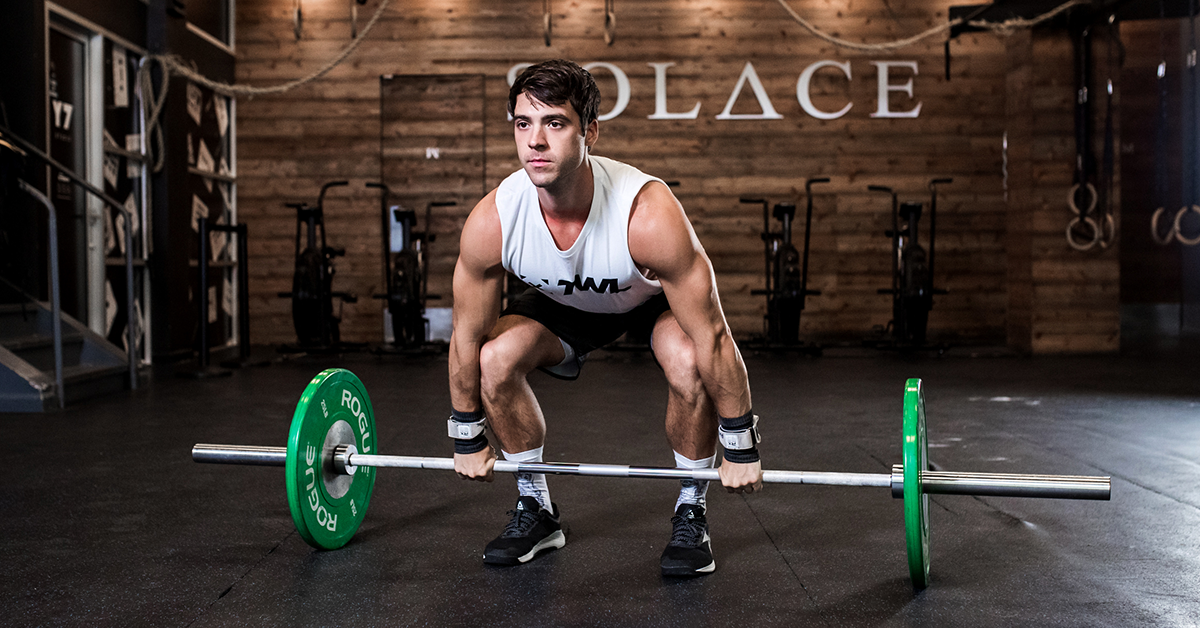
A beautiful power clean pull:

  • Starts with a strong back off the floor.
  • Keeps the bar close to your body — this is crucial! You and the bar are one.
  • Forces you to move around the bar, NOT the other way around.

Beautiful pull = faster elbows = pumping the brakes sooner = success with your power cleans (…and cleans — notice a pattern here?).

https://www.instagram.com/p/B4Tpo_rnIfg/

Power cleans may seem a little less “sexy” than a monster full clean, but we promise you this: Rehearse your power cleans and the progress will keep on giving. For anyone training in Olympic weightlifting, this is a must.

Check out our blog on the beginner’s guide to the clean.

A Challenging Power Clean EMOM From Tia-Clair Toomey

Tia-Clair Toomey has — after back-to-back first-place finishes at the Games and a long list of accomplishments in the sport of Olympic weightlifting — rightly earned the title of legend. We know her mindset is a big part of it. So, too, are the hours upon hours she spends in the gym. She stays true to the sport and keeps her programming constantly varied, but it was this power clean EMOM that caught our eye. We bet it got really spicy, really fast. Will you try this at the gym?

EMOM for 10 minutes:

  • 5 power cleans starting at 65% of your max power clean
View this post on Instagram

A post shared by Tia-Clair Toomey (@tiaclair1) on

Main image: Tia-Clair Toomey/Instagram

A Power Clean EMOM From Brent Fikowski

The best WODs are always the ones where you get to throw around some heavier weights. If that’s what you’re in the mood for, you’re going to love this WOD from Brent Fikowski.

EMOM for 8 minutes

1 heavy power clean 

+

5 light power cleans

View this post on Instagram

A post shared by Brent Fikowski (@fikowski) on

3 Tips to Improve Your Power Clean

Technique always matters. Use these three tips for making your power cleans smoother and more efficient.

1. Keep the Bar Close

The further away the bar gets, the heavier it feels. Think of how you open up a stubborn jar. Do you hold it out in front of you or close to your body? You hold it close to your body because it gives you more control and power over the jar.

Weightlifting is the same. The barbell should travel in a straight line and stay in contact with your body.

2. Keep Your Butt Down

Under fatigue and stress, one of our tendencies in the first pull (read: from the floor to your knees) is to let our butt go up while our torso stays down. Remember your hip angle shouldn’t change until the second pull — when the bar reaches your knees and you begin to open your hips up by bringing your torso back.

When you lift your butt in the first pull, you end up pulling with your back instead of with your legs. Your legs are much stronger — use them!

3. Fast Elbows

If you want to catch the bar high, your elbows need to move like lightning around the bar. Don’t make it your goal to simply catch the bar above parallel. Aim to catch it as high as possible. You need fast elbows for this!

If you want more help with the lift, check out this blog on the most common mistakes people make in the clean (and how to fix them).

Need the perfect music to lift to? Visit TWL’s Spotify playlists.

Main image: Brent Fikowski/Instagram

Alec Smith Shares Throwback of Monster Clean

It’s not every day you clean 400 pounds. Alec Smith looked back fondly on the moment he first made this weight (roughly 181kg), in a recent Instagram post. It was two years ago when he first hit this massive PB, leaving us wondering what his max is today…

Want to add some kilos to your own lift? Check out this blog for tips for improving your clean.

Main image: Alec Smith/Instagram

Lauren Fisher Raced Rasmus Andersen in a Clean Ladder

Lauren Fisher and Rasmus Andersen are major relationship goals. And fitness goals. Really, they’re goals, period. That doesn’t mean they don’t get a little competitive with each other now and again. Fisher took to Instagram to share a snippet of a clean ladder she and Andersen went head to head on. He walked away the victor, but Fisher made a point to mention it was only because she fell.

A do-over is in order!

Main image: Lauren Fisher/Instagram

TIPS AND TRICKS FOR 16.2

unspecified-10

TIPS AND TRICKS FOR 16.2

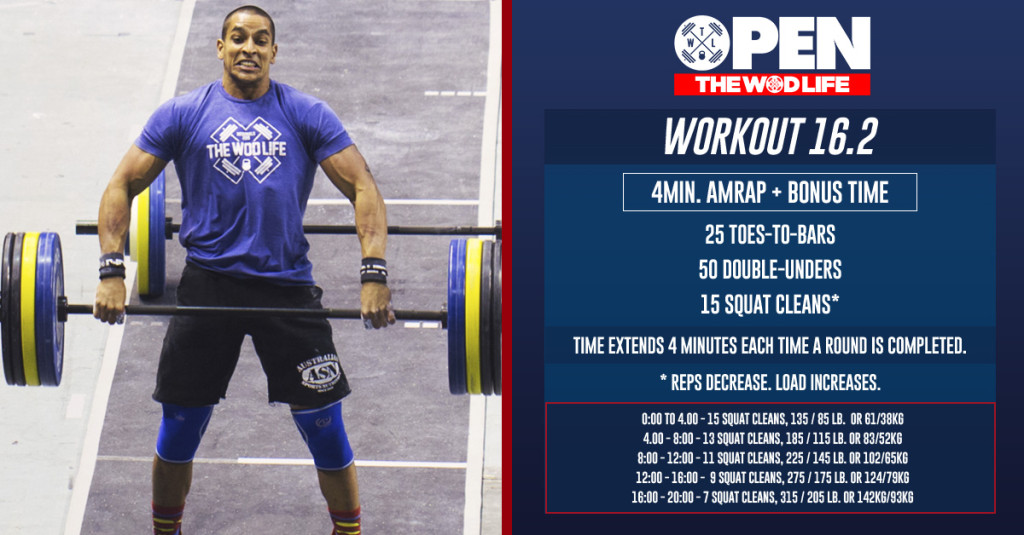
The CrossFit Open workout 16.2 is a true test of core stability, muscle endurance, pose, and strength. We have collected all of the best videos out there to help you crush 16.2 in Dan Bailey time.

THE WORKOUT?

CrossFit Open WOD 16.2

TOP 5 TIPS

1. Know your own pace.

2. Push yourself on double unders and TTB. Shoot for unbroken.

4. Cleans in fast singles.

5. Be like Dan Bailey and give it all you got.

GEAR TIPS

TTB

Double Unders

  • The FASTER the better. Our favourite rope has always been the RPM Speed Rope
  • Keep another rope on hand if something goes weird with your main rope

Cleans

  • This one is a core buster and your back should be in good position at all times. Lifting belts keep you tight for when things get heavy. We recommend velcro  for a quicker tight/loosen before and after cleans.

Now, from your experts!

PREP

EXPERT TIPS

MisFit Athletics

Nicole Carroll

Coaches Corner

WODPrep

Barbell Shrugged

https://www.youtube.com/watch?v=qHEfHy_lFmU

The Outlaw Way

https://vimeo.com/157677790