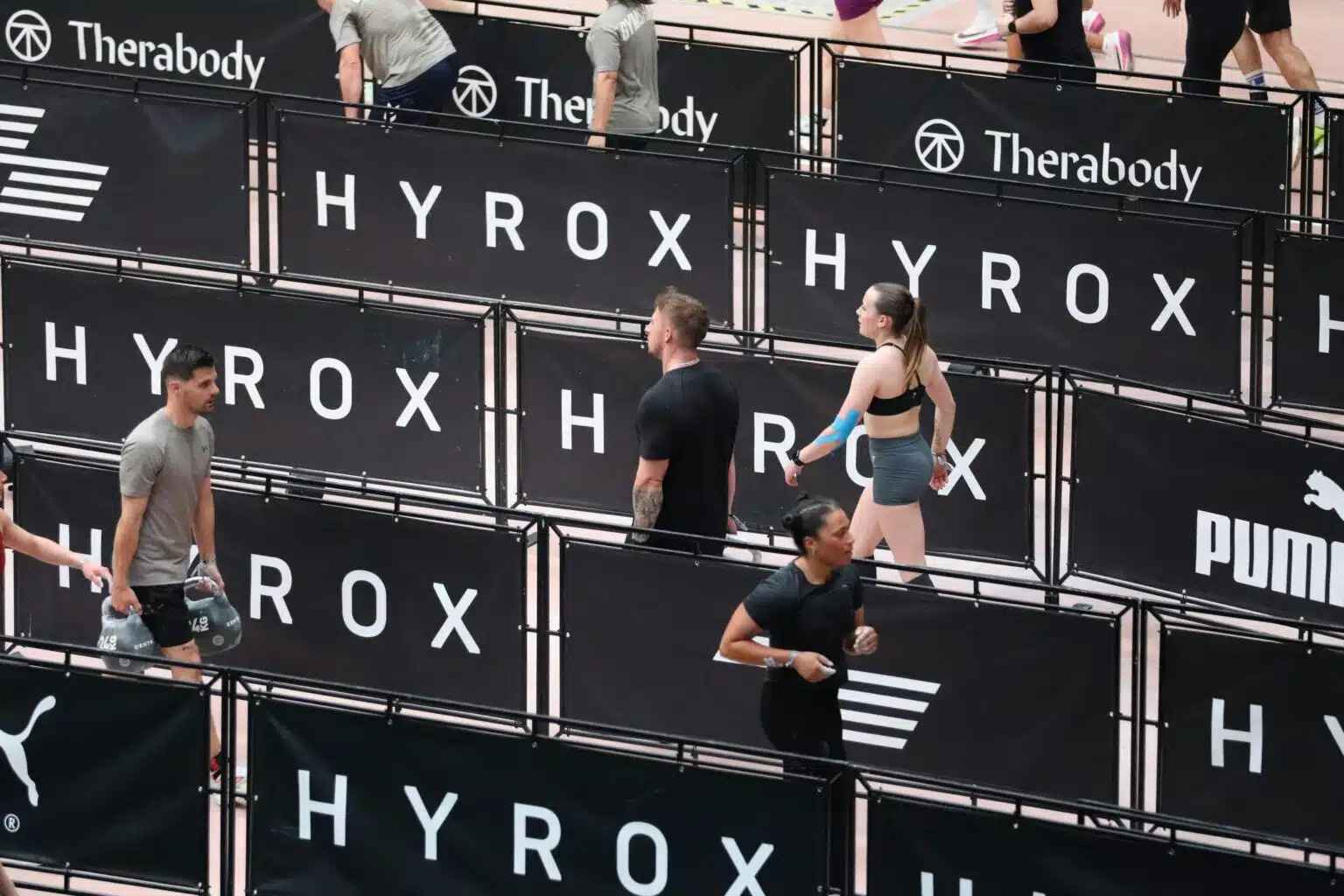

Eight years ago, Hyrox was 650 people running and dragging sleds around a hall in Hamburg. Today, it’s a takeover target for the richest man in fashion.
Bernard Arnault’s LVMH-backed private equity firm, L Catterton, is in exclusive talks to buy a substantial stake in Hyrox, in a deal that values the hybrid-racing series at up to $1 billion (roughly €700m–€1bn). An announcement is reportedly expected within weeks. When the people behind Louis Vuitton and Dior start circling your sport, it’s no longer a niche — it’s an asset class.
For The WOD Life, this isn’t just business-page gossip. The money pouring into hybrid racing is reshaping the sport and the gear you train and race in. Here’s what’s actually happening, and what it means for the kit on your feet and the sled on your gym floor.
The billion-dollar number
Hyrox is owned by Swiss agency Infront Sports & Media, and the numbers explain the interest. Series revenue has gone from around €40 million two years ago to roughly €133 million in 2025, and is projected to push beyond €200 million in 2026 — with reported EBITDA of about €30 million. That’s not a fitness fad’s P&L. That’s a genuine, fast-scaling media and events business.
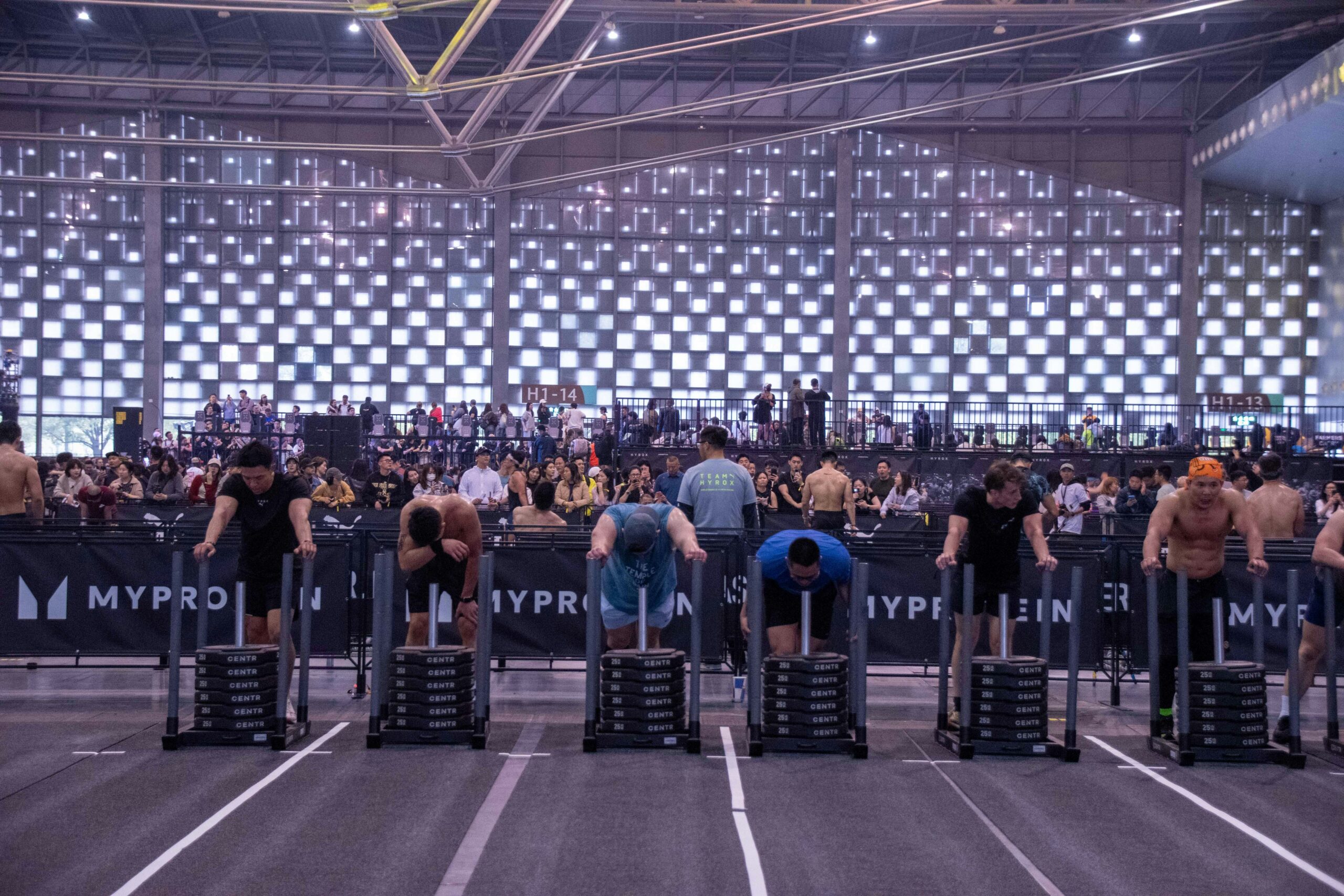
Underpinning it is participation that reads like a typo. The same eight-run, eight-station format that drew hundreds in 2018 pulled 425,000–550,000 athletes across 80-plus events in 30 countries in the 2024/25 season, with the organisation openly targeting one million annual participants. Two-thirds of those athletes are aged 30 or over, and women now make up 38% of entries (up from 24% in 2020) — an older, more affluent, more technical buyer than fitness has traditionally attracted. In other words: people who research their gear and are happy to pay for the right stuff.
That’s the flywheel private equity loves. Races feed a network of 5,000-plus affiliate gyms paying licensing fees; those gyms feed more racers; those racers buy shoes, kit and coaching. Money in, money out, repeat.
Why the smart money is circling
L Catterton isn’t the only heavyweight in the room. Hyrox has quietly assembled a partner list that looks more like a Formula 1 grid than a fitness race: Red Bull (athlete deals, media, “Road to Hyrox” coaching), EV maker BYD, skincare brand Biotherm, cosmetics giant Maybelline, and wearables brand Amazfit, which holds official timekeeper status and bakes a dedicated Hyrox Race Mode into its watches to track all eight stations automatically.
The through-line is credibility by association. Hyrox has done something rare — it’s turned a standardised, globally comparable race into a platform brands can plug into. And unlike most of fitness, everyone runs the exact same test, in the same order, on the same equipment, anywhere in the world. That consistency is catnip for sponsors, and it’s exactly why the valuation has a “b” in it.
The brand battlefield on your feet
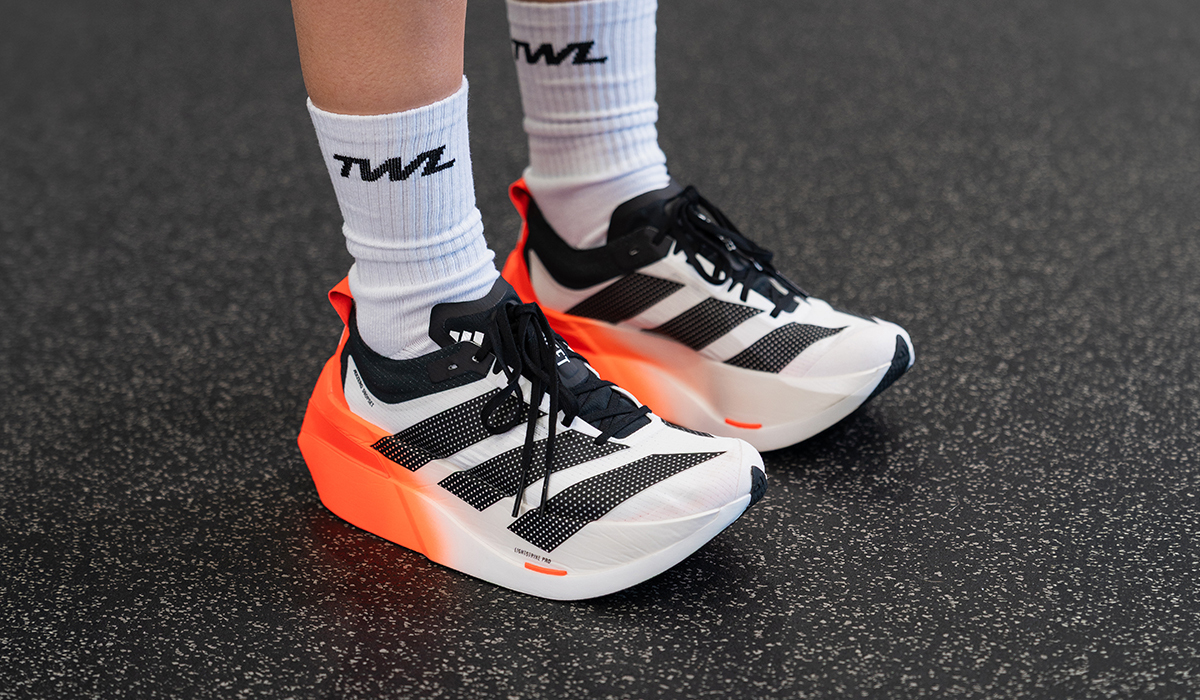
Nowhere is the money more visible than footwear. For two seasons, Puma effectively owned the category — its CEO recently called Hyrox a “lighthouse” partnership, locked it in through 2030, and built a standalone Training business unit around it. Then Adidas kicked the door in with the Adizero Dropset Elite, a shoe explicitly built for hybrid racing. Two of the biggest sportswear companies on earth are now fighting over the same start line.
And they’re not the only options in the race. Because Hyrox’s audience is famously community-led — athletes pick gear on peer reviews and performance, not just sponsor logos — shoes like On’s Cloudboom Echo 3, Under Armour’s TriBase Reign 6 and Saucony’s Endorphin Pro 4 all circulate as legitimate picks. The result is a footwear wall that used to carry one Hyrox shoe and now carries half a dozen, each making a slightly different claim about grip, stability under a sled, and turnover on the run.
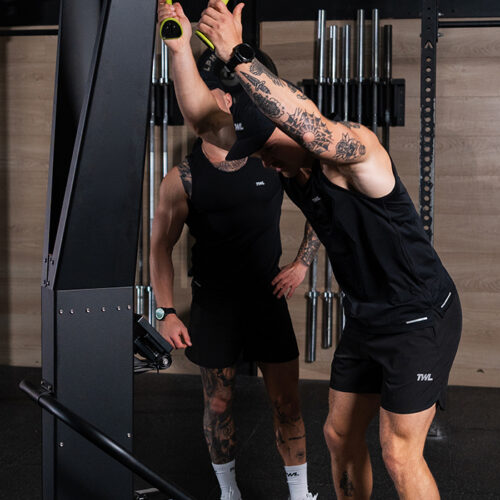
Beyond the shoes, two suppliers sit at the operational heart of every event: Concept2 (the SkiErg and rower) and Centaur (the sleds and weights). Train on those, and you’re training on the actual standard — which is why hybrid athletes increasingly want their home and gym setups to mirror the race floor.
What it means for the kit — and for you
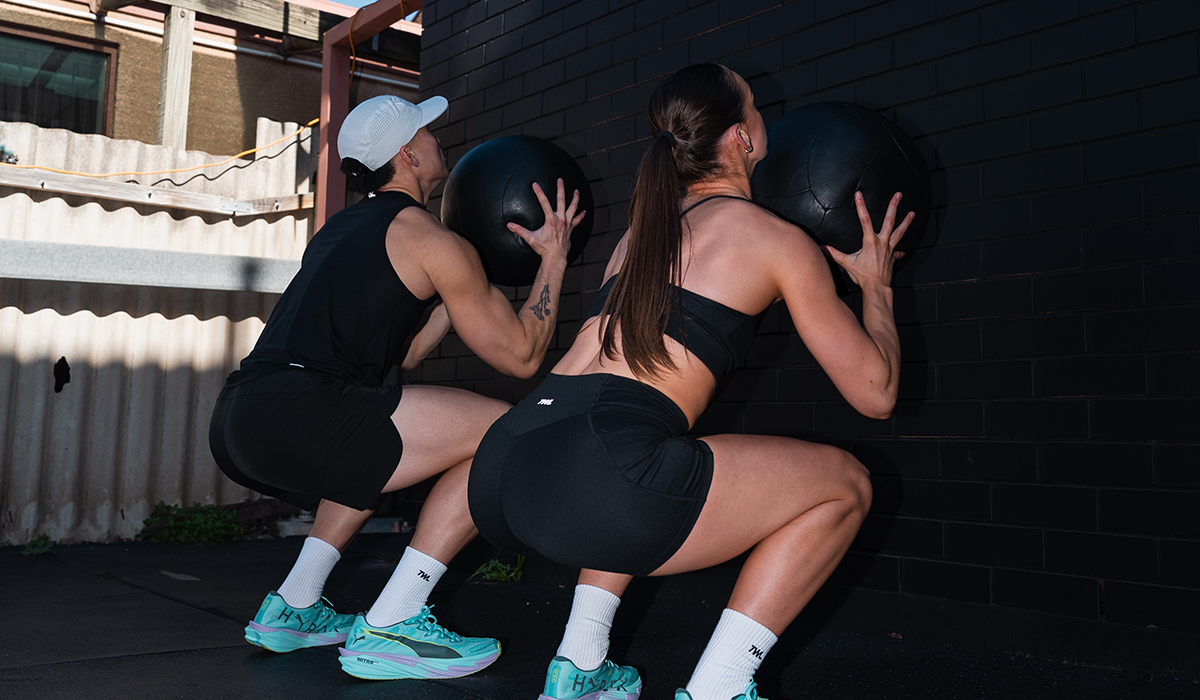
Here’s the honest take from the retail side of the counter: a billion-dollar Hyrox is good for anyone who trains hybrid, because it drags the whole gear ecosystem forward. More R&D into hybrid-specific shoes. Better sleds, ergs and conditioning tools. More considered apparel built for running and lifting in the same session. Competition between Puma, Adidas and the challenger pack means better product at better value — and a lot more of it to choose from.
The flip side is choice overload. When the footwear wall triples overnight, “which shoe?” becomes a genuinely hard question — and that’s where a retailer that actually understands the format earns its keep. The difference between a shoe that holds an edge on a heavy sled push and one that folds is the difference between a PB and a DNF.
That’s the lane we care about. As hybrid racing goes corporate, our job is to cut through the noise: stock the gear that performs, explain the trade-offs, and help you build a setup that survives eight rounds of runs and stations. Whether it’s training shoes and running shoes built to grip and go, conditioning tools to sharpen your engine, or apparel that moves with you, the goal is the same — kit that’s ready when the money-and-hype machine points the whole world at a sled.
The bottom line
Hyrox going from a Hamburg hall to a $1 billion valuation in under a decade is one of the great fitness business stories of our time. LVMH’s interest is the loudest possible signal that hybrid racing is here to stay. For the athletes who make it what it is, that means more events, more eyeballs — and a fast-improving arsenal of gear to chase your next finish line.
The big brands are fighting over your feet. We’re just here to make sure you’re standing on the right start line, in the right kit, when the gun goes.
Racing Hyrox this season? Tell us what’s on your feet — and let us help you dial in the rest.